
How to Find an Accountability Partner Online (and Keep One Past Week Two)
Where to find an accountability partner online: friends via a shared habit app, Focusmate, Discord servers, Reddit buddy-matching, and stakes platforms. Plus...

📺 Related Video: How to Find Your Ideal Accountability Partner | Jack Canfield
Video by: Jack Canfield · Watch on YouTube
You can find an accountability partner online in an afternoon, and the best one is usually someone you already know. The places that work are, in order: a friend you invite into a shared habit app, a matched stranger on a body-doubling service like Focusmate, a Discord accountability server, a Reddit community built for buddy-matching like r/GetMotivatedBuddies, and a commitment platform where you put money on the line.
The catch is that finding a partner is the easy half. Most online accountability partnerships end within two weeks, not because either person was lazy but because nobody agreed on what "checking in" meant. This guide covers where to look, how to pick, and the five-minute agreement that makes the partnership survive.
Where to find an accountability partner online
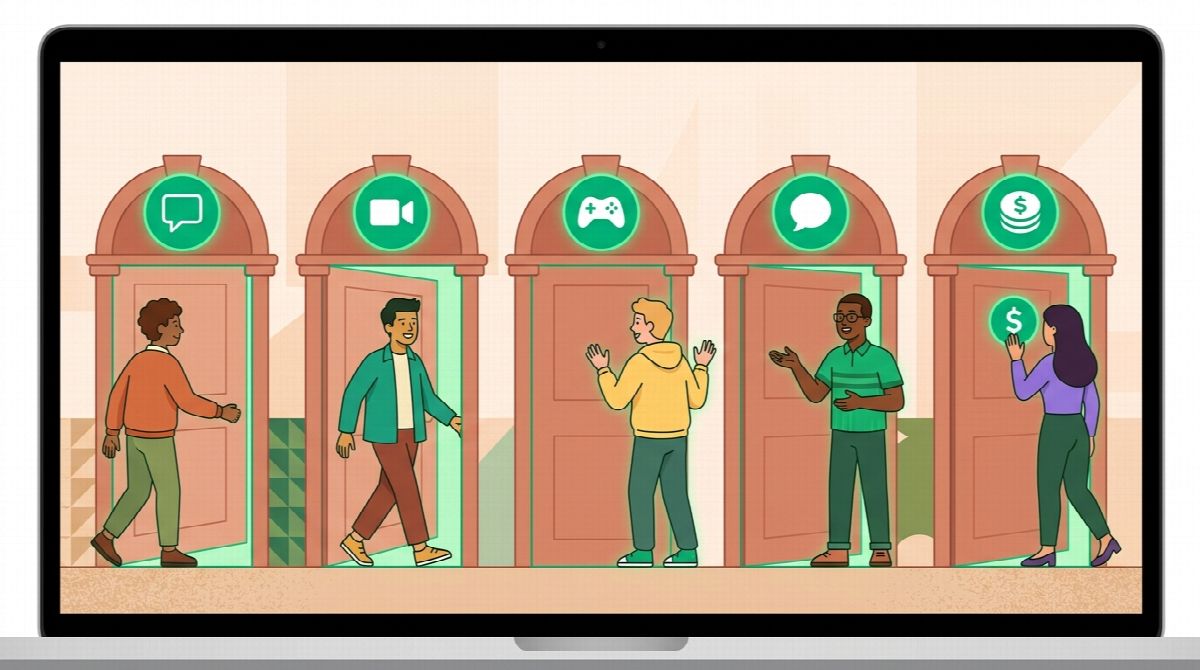
There are five reliable places to find an accountability partner online, and each gives you a different kind of partner.
1. A friend, through a shared habit app
The most durable accountability partner is someone who already cares whether you show up, and an app's job is to make that easy. Shared habit apps let two people (or a small group) each track their own habit and see each other's daily checkins, with a reminder that nudges both of you. This works for friends in different cities and different time zones, which is the situation "online" usually means.
Best for: anyone who has a friend with a goal of their own. Weakest for: people who genuinely have nobody to ask, which is rarer than it feels. Our accountability partner app roundup compares the options.
2. Matched strangers for focused sessions
Focusmate pairs you with a stranger for a 25, 50, or 75-minute video session: you say what you will do, work on camera, and report at the end. It is free for three sessions a week, with unlimited sessions at $8 a month billed yearly. It is built for getting work done rather than for daily habits, but people use it for workouts, cleaning, and studying too.
Best for: task-based goals and anyone who wants accountability today without asking a friend. Weakest for: habits that happen away from a screen, and for anyone who needs the same person over time (you can favorite partners, but matching is still session by session).
3. Discord accountability servers
Discord servers built around accountability have daily checkin channels, study rooms, and sometimes bots that track streaks. You post what you did, others react, and over weeks the same handful of people become your de facto partners. The hard part is finding a server that is still alive; most listed ones are not. Our guide to finding a Discord accountability server that works covers how to tell.
Best for: people who like community and want low-pressure daily visibility. Weakest for: anyone who wants one committed person rather than a crowd.
4. Reddit and forum buddy-matching
r/GetMotivatedBuddies exists specifically to match accountability partners, and fitness forums like the MyFitnessPal community run standing "looking for an accountability partner" threads. You post your goal, timezone, and preferred checkin style, and reply to people whose posts match.
Best for: finding a one-to-one partner when you have nobody in your life with a similar goal. Weakest for: follow-through. Forum matches fail at a high rate because the first message is the only structure either person has. Use the agreement below from message one.
5. Commitment platforms with money on the line
Commit Club and StickK let you pledge money against a goal and name partners who verify you. Commit Club is free, with optional money challenges where failed pledges are paid out to people who succeeded, and it lets you assign friends or strangers as partners. StickK works similarly with a referee and an optional anti-charity.
Best for: people who respond to loss and have a clear pass/fail goal. Weakest for: habits you want to keep for years; stakes work for a sprint and feel like a tax after that.
How to pick the right kind of partner
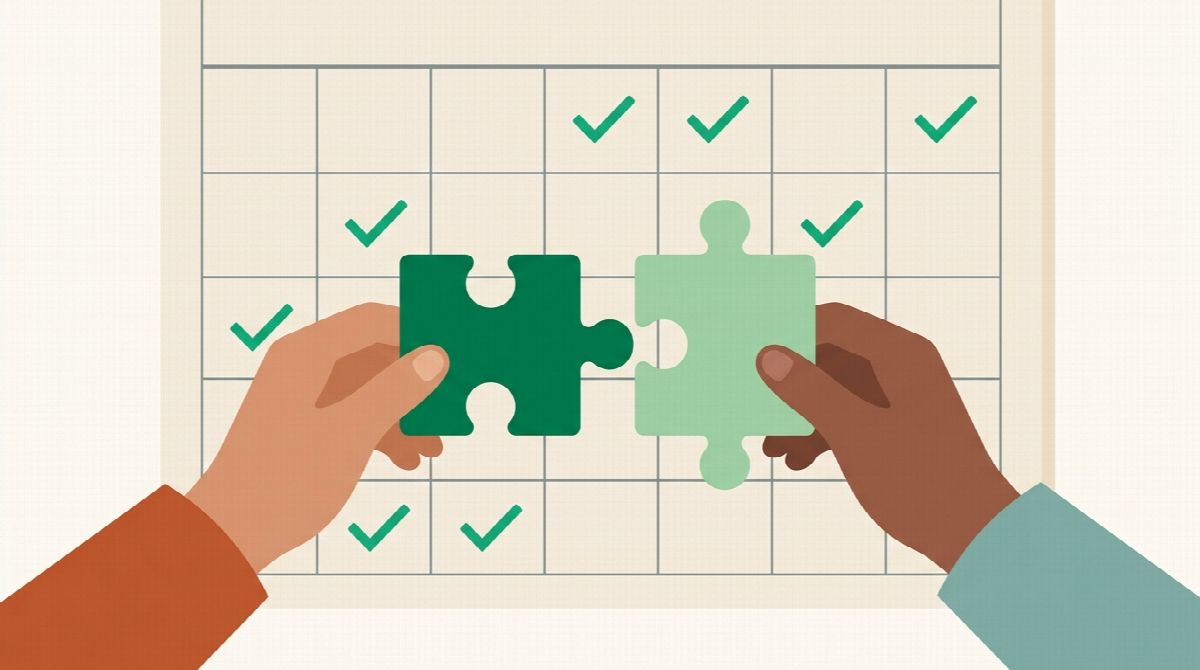
The right accountability partner is someone with a goal of their own, a similar checkin rhythm, and enough overlap in hours that a reply arrives the same day. Coach Lisa Hoashi's checklist, passed on from her own mentor, is the most useful short version: pick someone you trust, who is seriously stuck on a project of their own and fully committed to figuring it out.
Three tests before you commit:
- Mutual, not one-way. A partner who has nothing on the line drifts into cheerleading, then into silence. Both people need a daily thing to report.
- Same rhythm. Daily habits need a daily partner. A weekly goal-setter paired with a daily checkin person frustrates both.
- Reachable hours. A six-hour time difference is fine if the checkin is asynchronous. It is not fine if you planned a daily call at 7am.
Similar goals help less than people assume. Hoashi's own partnership paired a calorie target with a daily novel word count, and both hit their goals. What they shared was the rhythm, not the habit.
If you are deciding between a single partner and a small group, the honest answer is that a group of three to five survives one person's bad month; a pair does not. Our piece on social accountability goes into why.
The five-minute agreement that keeps it alive
An accountability partnership survives on one written agreement covering what you report, when, where, and what happens on a miss. Without it, the first skipped checkin becomes awkward, the second becomes normal, and by the third the partnership is over without anyone deciding to end it.
Agree on these four things in the first conversation:
- What counts. Name the smallest version of the habit that still counts as done. "I ran" is vague. "Ten minutes, any pace" is a checkin. Having a Floor you can hit on a terrible day is what keeps the reporting honest.
- When. A fixed time or a fixed window. Hoashi's model was a 15-minute daily call where each person shares yesterday's result and today's commitment. Text or in-app checkins work too; the point is that both people expect it at the same time.
- Where. One channel, not "whichever app." Pick the one you both already open every day.
- What happens on a miss. The answer should be nothing dramatic. Acknowledge it, no lecture, checkin tomorrow. Partnerships that punish misses end faster than ones that ignore them, because the person who slipped stops reporting rather than face it.
Then put an end date on the first round. Two to four weeks is enough to know whether it works, and renewing on purpose beats fading out by accident.
You already know you can change.
You just need to take the first step. Habit Huddle helps you build habits around your goals, alongside friends who keep you accountable.
Messages you can copy
Asking is the step most people stall on, so here are three openers that work, depending on who you are asking.
A friend with a goal: "I'm trying to do [habit] every day for the next month and I keep bailing when nobody knows. Do you have something you're working on? I'd check in with you daily, takes ten seconds, and you'd do the same for me."
A stranger on Reddit or a forum: "Looking for a daily accountability partner for [habit], [timezone]. My minimum is [Floor]. I check in by [text/app] each evening, no judgement on misses, just checkin again the next day. Happy to do the same for your goal. Trial run of two weeks?"
Reviving a partnership that went quiet: "We both dropped off and that's fine. Want to restart Monday with a smaller minimum? I'll go first."
Why most online partnerships fail, and what to do instead
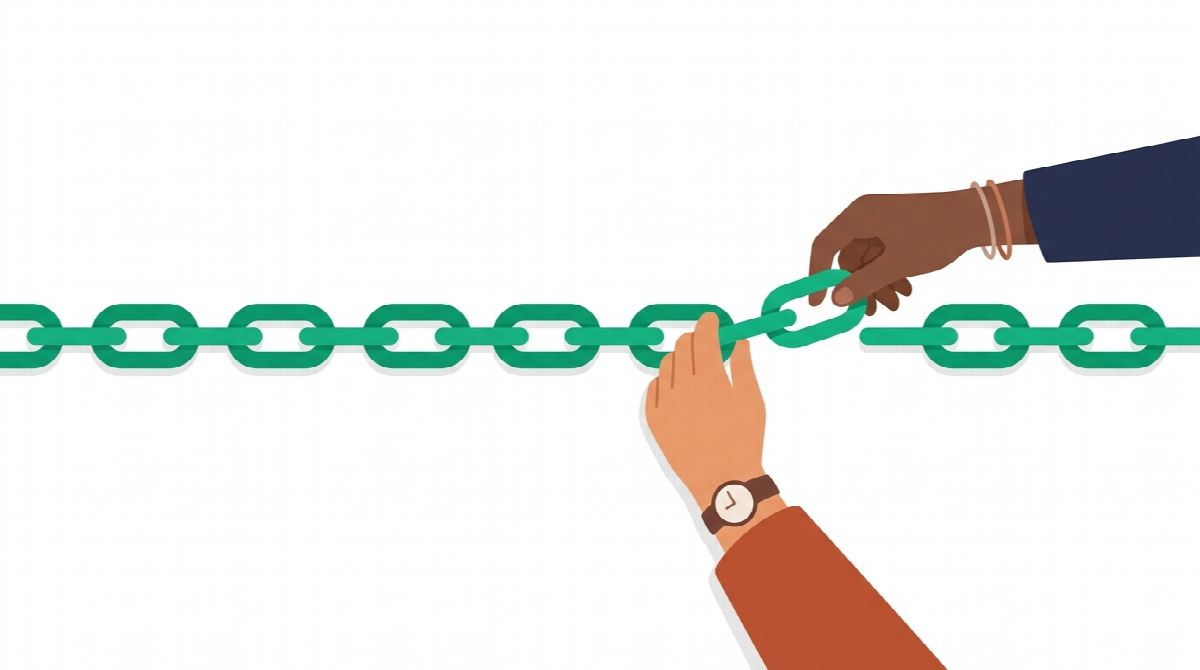
Online accountability partnerships fail from friction, not from lack of willpower. The checkin lives in a chat thread that scrolls away, one person's reply comes twelve hours late, and the effort of reporting starts to feel bigger than the habit itself. The fix is to move the checkin somewhere it takes seconds and both people see it without asking.
That is exactly the job a shared habit app does: each of you logs a checkin, the other sees it and can cheer, and a reminder fires if the day is running out. Nobody has to remember to ask "did you do it?", which is the question that quietly kills most partnerships.
Try it with one friend on Habit Huddle
If you already have a person in mind, Habit Huddle is built for exactly this. You create a huddle, invite your partner, and each of you sets a habit with a Floor (the minimum that counts) and a Ceiling (the version you are aiming for). Checkins are one tap, your partner sees them and can send applause, and the huddle's Checkin Chain grows by a link each day either of you shows up. It works on web, iOS, Android, and inside Discord, and the free plan covers one active habit, which is all a partnership needs. If you do not have a partner yet, start a solo huddle and invite someone once you find them; the habit history comes with you.
For the wider set of options, see our guide to the best accountability apps.
Frequently asked questions
Where can I find an accountability partner online for free?
Ask a friend and use a free shared habit app, or try Focusmate (free for three sessions a week), r/GetMotivatedBuddies on Reddit, an active Discord accountability server, or Commit Club's free challenges. All five cost nothing to start.
Is it better to have a friend or a stranger as an accountability partner?
A friend with a goal of their own is more durable, because they care whether you show up beyond the partnership. Strangers are better when you need accountability today or want a fresh start without history. Many people use both: a stranger for focused work sessions and a friend for a daily habit.
How often should accountability partners check in?
Match the habit. Daily habits need daily checkins, ideally under a minute each. Weekly goals can run on a weekly call. A daily habit with a weekly checkin is the most common mismatch and usually fails.
What should I do when my accountability partner stops responding?
Send one low-pressure message offering a restart with a smaller minimum. If there is no reply within a week, find another partner without guilt; partnerships end, and the habit is the point. This is also the argument for a small group over a pair, since a group survives one person going quiet.
Do online accountability partners actually work?
Yes, when the checkin is fast, visible, and mutual. A twelve-month study of adults who joined a fitness program with a spouse found far better adherence than those who joined alone, and the reasons (someone expects you, showing up is visible) apply online as much as in person. The partnerships that fail are the ones with no agreed rhythm.
Ready to Build Habits With Friends?
Stop failing alone. Join thousands using the #1 habit tracker with friends for real accountability and lasting results.
Prefer mobile? App Store · Google Play
Related Guides
More Habit Huddle articles on building habits with accountability.
HabitShare Alternatives: 6 Apps for Tracking Habits With Friends (2026)
Looking for a HabitShare alternative? Six social habit trackers compared by model, price, platforms, and what happens on a missed day, plus how to switch wit...
What to Do When You Miss a Workout Day: The 5-Step Comeback Plan
Missed a workout day? What one miss does to your body and habit, according to research, plus a five-step plan for the next 24 hours, when to make it up, and...
Habit Streak App With Friends: 7 Apps Compared (2026)
Seven habit streak apps with friends compared: Habit Huddle, HabitShare, Daily Pact, Habitica, Streaks, Habit Streak duels, HabitStreak.io. What friends see,...