
What to Do When You Break Your Streak (and Why It Matters Less Than It Feels)
Broke your habit streak? Do the smallest version today. What research says about broken streaks, 6 steps for the day after, and how to make the next break hu...
 By Stevan Ljuljdurovic, founder of Habit Huddle
Updated November 27, 2026

📺 Related Video: Why Your Habit Streak Always Breaks (and How to Build ADHD-Friendly Habits That Bend)
Video by: The Distracted Planner · Watch on YouTube
When you break your streak, do the smallest possible version of the habit today, before you think about the number. A broken streak feels like losing everything, but research suggests it costs you very little unless you let it turn into a second and third missed day. The streak is a record of the habit. It is not the habit. You still have the routine, the skill and the reasons you started.
Then work out why it broke, adjust one thing, and go back to your normal version tomorrow. This guide covers what the research says about broken streaks, the six steps that get most people back on track within a day or two, and how to set up your habit so the next break hurts less.
Why a broken streak feels so much worse than it is
A broken streak feels bad because you adopted a second goal without noticing: keeping the streak alive. Researchers Jackie Silverman and Alixandra Barasch tested this in a series of experiments published in the Journal of Consumer Research in 2023 (Silverman and Barasch, 2023). In one study, people used an exercise app that tracked a streak of strength exercises. When their streak stayed intact, about 66% chose to do another strength exercise. When the app showed a broken streak instead, only about 58% did, even though they had done exactly the same work (summary in Psychology Today).
So the dip you feel after a break is real, and it is measurable. It is also small, and it is about the number, not your ability. The same researchers found people would even pay a cost, such as watching an ad, to repair a broken streak, which shows how much value we attach to the count itself.
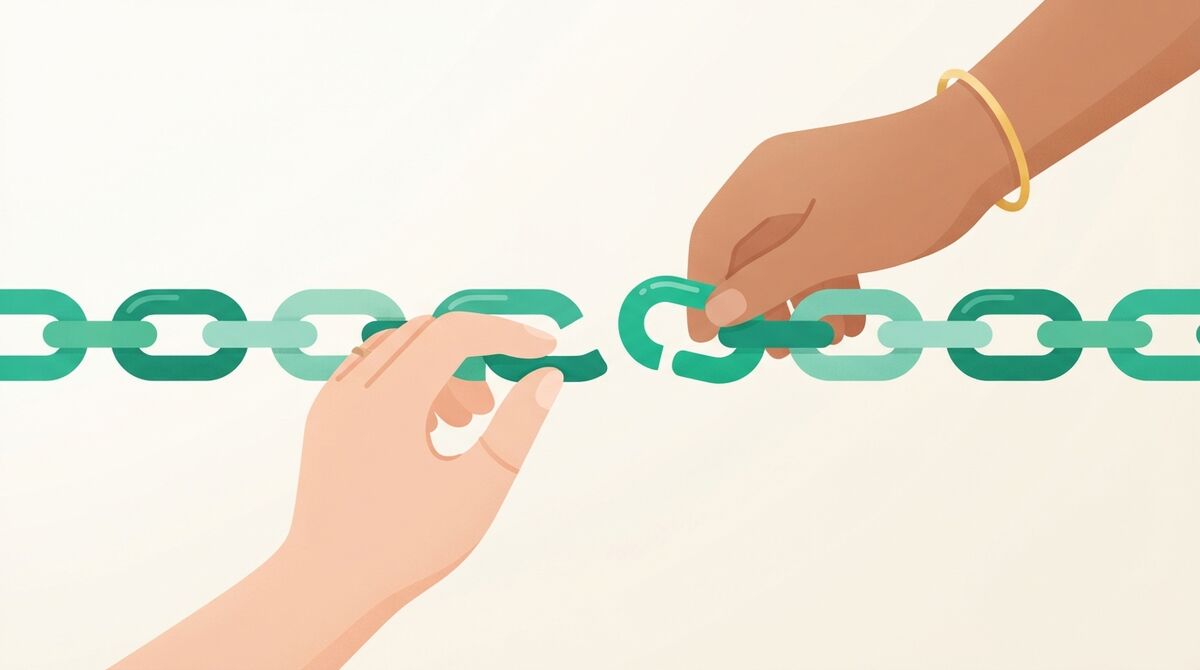
Here is the reassuring part. The best-known study on how habits form, by Phillippa Lally and colleagues at University College London, followed people building a new daily habit and found that missing a single opportunity did not meaningfully affect how automatic the habit became (Lally et al., 2009). One miss is noise. A pattern of misses is the signal.
What our data shows about coming back
People come back after a missed day far more often than the guilt suggests. In our own data, when someone missed a day on a habit they had already done on at least 7 days, they came back within a week 82.7% of the time, and 48.7% came back the very next day (n = 7,377 missed days, data as of November 2026; method and caveats). Those were habits that had already reached 7 checkin days, so the people were committed. But that is exactly who reads an article like this one.
The takeaway: the break is the common part. Coming back is the normal part. The only unusual outcome is letting one day become a quiet month.
Six steps for the day after a broken streak
These steps are ordered by urgency. The first one matters most and takes the least time.
1. Do the smallest version today
Do the habit today, at its smallest: two minutes of exercise, one page, one glass of water, one sentence in the journal. The goal is not progress. It is to prove to yourself that the habit is still alive. A tiny win on the day after a break blocks the "I already blew it" spiral before it starts.
2. Do not let it become permission to quit
Psychologists call the spiral the "what the hell effect": once a rule is broken, people treat the whole effort as ruined and abandon it. It is the most dangerous moment in any habit. Notice the thought ("the streak is gone, so what is the point?") and answer it with step one.
3. Find the cause, not a culprit
Ask what actually happened, without blaming yourself. Most breaks have boring causes:
- A schedule change (travel, a late night, a sick kid)
- A habit that grew too big to fit a hard day
- A missing cue (your usual trigger disappeared)
- Low energy or illness
Each cause has a different fix. Travel needs a portable version of the habit. A habit that grew too big needs a smaller minimum. A missing cue needs a new anchor.
You already know you can change.
You just need to take the first step. Habit Huddle helps you build habits around your goals, alongside friends who keep you accountable.
4. Change one thing
Adjust one variable based on what you found: shrink the minimum, move the time, attach the habit to a different existing routine. Change only one thing so you can tell whether it helped.
5. Separate the number from the habit
If the reset number is what stings, track something that cannot reset alongside the streak: total days you have done the habit, or the number of weeks with at least a few days done. Peloton, as Psychology Today notes, keeps both daily and weekly streaks for exactly this reason. A total that only goes up keeps a bad day from erasing a good month.
6. Tell someone who will cheer the comeback
Coming back is easier with an audience that celebrates the return instead of grading the break. Tell a friend, post the comeback in your group, or find a partner who is building a habit too. Our guide to the habit streak app with friends explains how tracking with friends changes the feeling of a reset.
How to set up your next streak so a break hurts less
You can design a habit so that a missed day is a bump instead of a cliff. These four choices make the biggest difference.
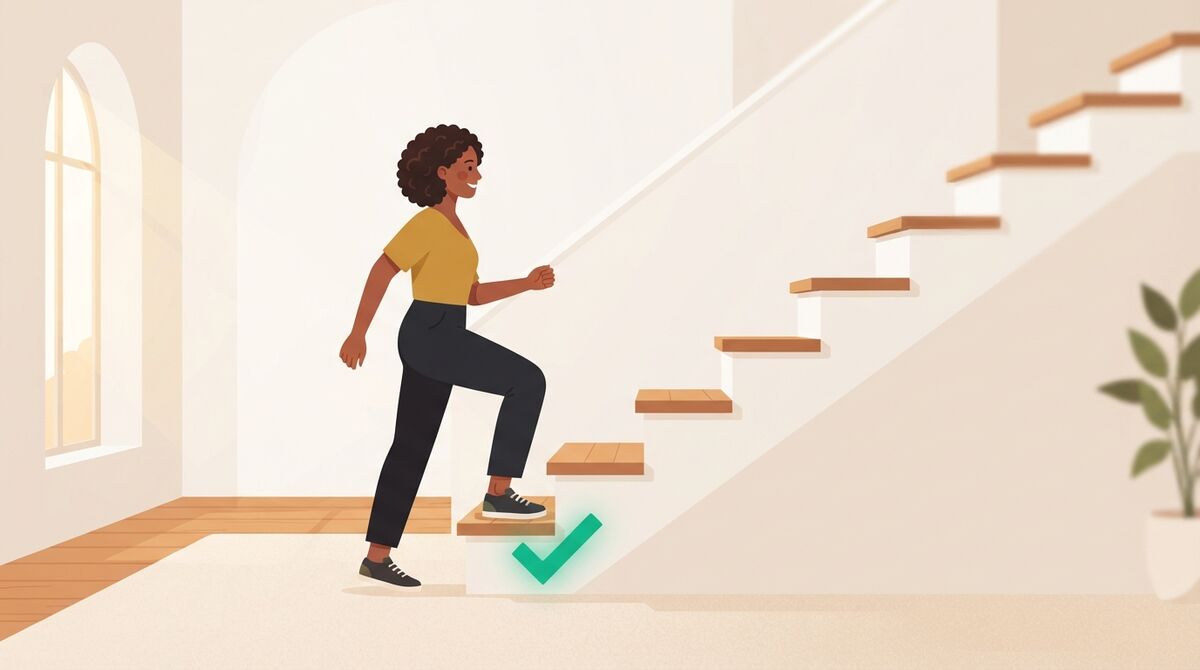
- Set a floor before you need it. Decide now what the smallest acceptable version is, for example "a ten-minute walk counts". On a bad day, you will not have the energy to negotiate with yourself.
- Set a ceiling for good days. Doing more on a good day feels great and builds confidence, but it should never become the new minimum.
- Plan for the predictable breaks. Holidays, travel and January's Quitter's Day slump are on the calendar. Decide your portable version in advance.
- Track with people, not just numbers. People who build habits alongside friends tend to keep going longer, and our data points the same way. Doing it together turns a comeback into something friends celebrate.
If you are trying to keep a resolution alive, our guide to keeping New Year resolutions past January covers the same comeback idea across a whole season.
Build habits where showing up always counts
Habit Huddle was designed around this exact problem. Every habit has a Floor, the smallest version that still counts, so a hard day still produces a checkin. You post your daily checkin in a huddle with friends who cheer it, and alongside your personal streak you can see your huddle's links in all, a total that only goes up. When you come back after a missed day, your huddle sees your checkin, and nobody is ever told that you missed.
If a broken streak is what brought you here, start a huddle with one friend and make today's smallest version your first checkin.
The short version
A broken streak costs you a number, not a habit. Do the smallest version today, refuse the "what the hell" spiral, find the boring cause, change one thing, track a total that cannot reset, and come back in front of people who cheer the return. Most people who break a streak are back within a week. Make sure you are one of them, starting today.
Ready to Build Habits With Friends?
Stop failing alone. Join thousands using the #1 habit tracker with friends for real accountability and lasting results.
Prefer mobile? App Store · Google Play
Related Guides
More Habit Huddle articles on building habits with accountability.

Body Doubling for Habits: How It Works and How to Set It Up
Body doubling means doing a hard thing with someone present. How it works for daily habits, what the research says, and how to set one up this week.

Book Reading Habit Tracker: 9 Apps Compared by the Job They Do (2026)
The best book reading habit tracker depends on what you keep losing: the list, the time, the day or the company. 9 apps compared, plus our reading data.

Group Meditation Challenge Apps: 7 Ways to Meditate Together (2026)
The best group meditation challenge app depends on whether you sit together or apart. Compare 7 apps by cost, live sits, programs and friends.