
How to Keep Your Discord Community Active: A Daily System, Not a Burst of Events
How to keep a Discord community active without burning out: why servers go quiet, the daily checkin mechanic that fixes it, rituals, roles, bots, ping discip...

📺 Related Video: 7 DISCORD Tips to Grow a Server and Keep it Active - A Guide
Video by: Gael LEVEL · Watch on YouTube
A Discord community stays active when members have a reason to open it every day that does not depend on you posting. Events, giveaways, and memes create bursts; what keeps a server alive between bursts is a small daily ritual that members complete for themselves and see each other completing. The most reliable version of that ritual is a daily checkin channel.
This guide is for admins of small and mid-sized servers, the 30 to 3,000 member range where a quiet week feels like a death sentence. It covers why servers go quiet, the daily mechanic that fixes it, and the rituals, roles, bots, and ping discipline that keep the fix working. There is a 30-day revival plan at the end.
Why Discord servers go quiet
Servers die from a spiral, not an event: a slow day makes members assume nobody is around, so they stop posting, which makes the next day slower. A long-running r/discordapp thread on keeping a smaller Discord active describes the pattern from the inside. One admin noticed that every Monday someone would say "wow, this server is dead," and the more people said it, the more dead it became.
Three things feed the spiral. The owner disappears, and small servers cannot grow without their owner visibly present. Activity depends on scheduled events, so the server is silent for six days and loud for one. And the only reason to open the server is to see whether anyone else did, which is a reason that evaporates the first time the answer is no.
The fix for all three is the same: give members something to do in the server that is about them, takes under a minute, and happens daily.
Give members a daily reason to open the server
The single most effective activity mechanic for a Discord community is a daily checkin channel where members log progress on a personal goal. It works because it removes the dependency on conversation. Nobody has to think of something to say. They did the thing, they post that they did it, and that post is visible activity that other members react to.
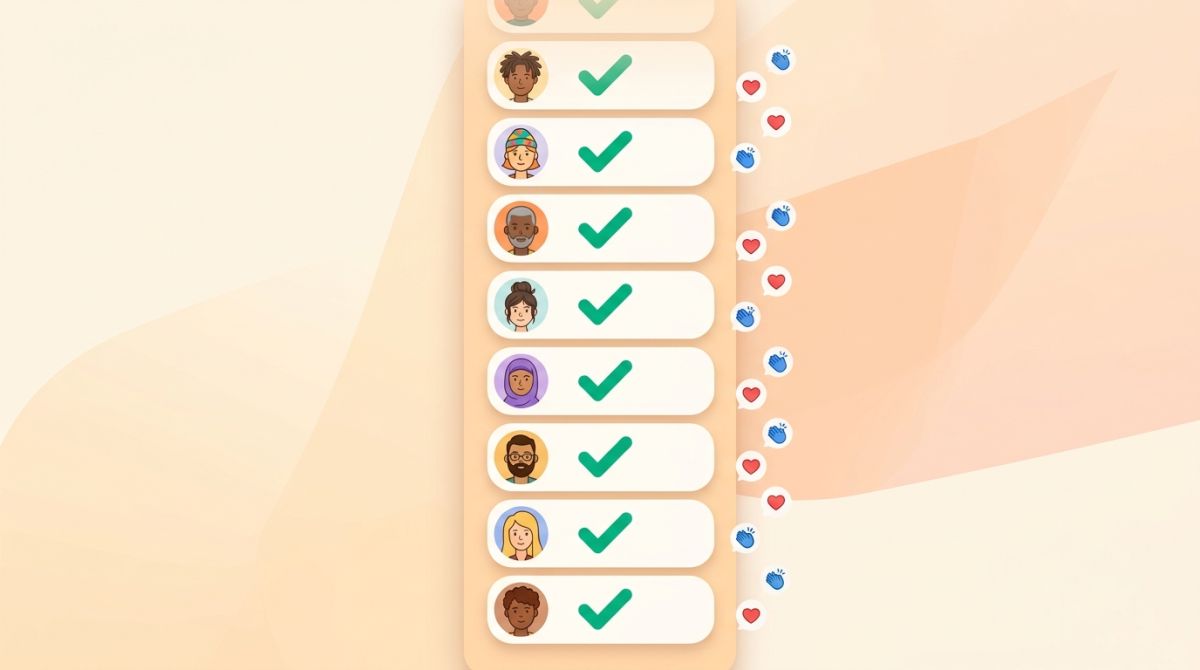
Set it up as a habit challenge that fits your server's theme. A fitness server runs a daily movement checkin. A study or coding server runs a "did you ship or study today" checkin. A creative server runs a daily pages, bars, or sketches checkin. A gaming community can run a "touch grass" checkin with a straight face and get surprising buy-in. The habit just has to be something members want for themselves, because you are borrowing their motivation rather than manufacturing it.
Four rules make a checkin channel work:
- One channel for everyone. Per-goal channels split a small server's energy until every channel looks quiet. A single
#daily-checkinsstream keeps all the activity in one visible place. - A low bar. Each member states a goal and its smallest countable version: "20 minutes of study, floor is one page." People who can honestly checkin on a terrible Tuesday are still posting in March.
- A shared number. A bot that counts the group's checkins turns each post into a contribution. Members open the channel to move the number, not just to talk.
- Cheer arrivals, never mention absence. Channels that celebrate every checkin keep members. Channels where a rough week gets noticed lose them quietly, and they do not announce why they left.
If you want this without building it, the Habit Huddle bot turns one channel into a huddle: /setup creates the checkin channel, members /join and pick their habit, and /checkin logs the day. Every habit has a Floor, the smallest action that fully counts, and a Ceiling for big days. Each member keeps a personal streak, and the huddle builds a Checkin Chain, counted in links: every member's first checkin of the day adds one. The bot posts the daily update and reminders in the channel and never DMs members. Checkins, streaks, the Checkin Chain, and reminders are free for every member. The setup details are in our guide to running a habit tracker Discord server.
Build rituals, not just events
A ritual is something members expect at a fixed time every week without an announcement; an event is something you have to promote. Rituals compound because members plan around them. Events decay because you get tired of organizing them.
The rituals that hold up in small servers share three properties: they are cheap to run, a member can start them without staff, and they produce a reply rather than a view. Examples that have survived years in real communities:
- A Monday goals thread and a Friday wins thread, so the week has a beginning and an end inside the server.
- A question of the day posted at the same hour, without a ping. The Reddit thread above is blunt about this: members tolerate the question and leave over the @here.
- A weekly voice hangout or co-working session at a fixed slot, even if two people show up. Consistency beats attendance.
- A monthly community activity. One admin's advice was a streamed Jackbox night, because beyond the activity itself it generates in-jokes, and in-jokes are what make a server feel like a place.
Write rituals into a pinned message so new members learn the rhythm on day one.
Make the server feel like theirs
Members stay in communities they feel ownership of, and ownership comes from visible influence over the space. A second r/discordapp thread on keeping a 100-member server active puts it well: the people who joined have no emotional attachment to your server, so give them a reason to develop one.
Practical versions of that:
- A suggestions channel you act on. Implement one member suggestion a month and credit the member publicly.
- Roles that mean something. A role earned by thirty checkins or a season of participation says more than a color picked in a dropdown.
- Community handlers, not just moderators. Smaller servers benefit more from a couple of members whose job is to talk than from staff whose job is to enforce. Pick people who already chat and give them the title.
- Channels for what members make. Art, code, workouts, writing, setups. User-generated content is activity you do not have to create.
- Do not prune inactive members. A 100-member server with 20 active people looks healthier from the outside than a 20-member server, and lurkers occasionally return, which is a free welcome-back moment.
Use bots to create activity, not noise
The right bot gives members something to do; the wrong bot gives them something to mute. Leveling bots like MEE6 or Arcane reward talking with XP and roles, which helps in the first weeks and plateaus once everyone has the roles. Game and economy bots generate bursts of activity that vanish when the novelty does.
The bots that keep producing activity months later are the ones attached to something members already want: a checkin bot for a goal they care about, a reminder for a session they signed up for, a leaderboard for a challenge with a real finish line. If a bot's activity would stop the moment you removed the bot, it was never your community's activity.
Keep the count low. Every bot adds a command namespace, a welcome message, and a failure mode, and a new member who sees fourteen bots in the member list assumes the server is automated rather than alive. Our best Discord bots for habit tracking roundup compares the checkin and streak options if that is the direction you are taking.
Ping discipline and the word "dead"
Every @everyone you send spends trust you cannot easily earn back. Members leave servers that ping often, and they leave silently. A workable rule for a small server is one server-wide ping a week at most, reserved for things members would be annoyed to miss, with everything else delivered through channels people choose to follow.
The second discipline is cultural: do not let "this server is dead" stand. Slow days happen on a predictable cycle in most communities, Monday quiet and Saturday loud is common, and a member calling a slow Monday dead teaches everyone else to treat it that way. Answer with "it's just slow today" and keep posting. Admins who have rebuilt quiet servers say this sounds silly and works.
Measure the right numbers
Member count is the vanity metric; the number that predicts whether your server is alive next quarter is how many distinct members posted this week. Track it by hand if you have to: a weekly tally of unique posters, messages per day, and how many of last week's posters came back.
A checkin channel makes this almost free, because the bot's daily update already shows how many people showed up. Watch for two signals. If unique weekly posters fall for three straight weeks, the problem is the daily reason, not the events. If messages rise but unique posters do not, a handful of regulars are carrying the server and you need to widen participation rather than add content.
You already know you can change.
You just need to take the first step. Habit Huddle helps you build habits around your goals, alongside friends who keep you accountable.
A 30-day plan to revive a quiet server
A quiet server can be reactivated in a month without a growth campaign, by installing one daily ritual and protecting it. The plan assumes you, the admin, are present every day for the first two weeks; small servers cannot be revived remotely.
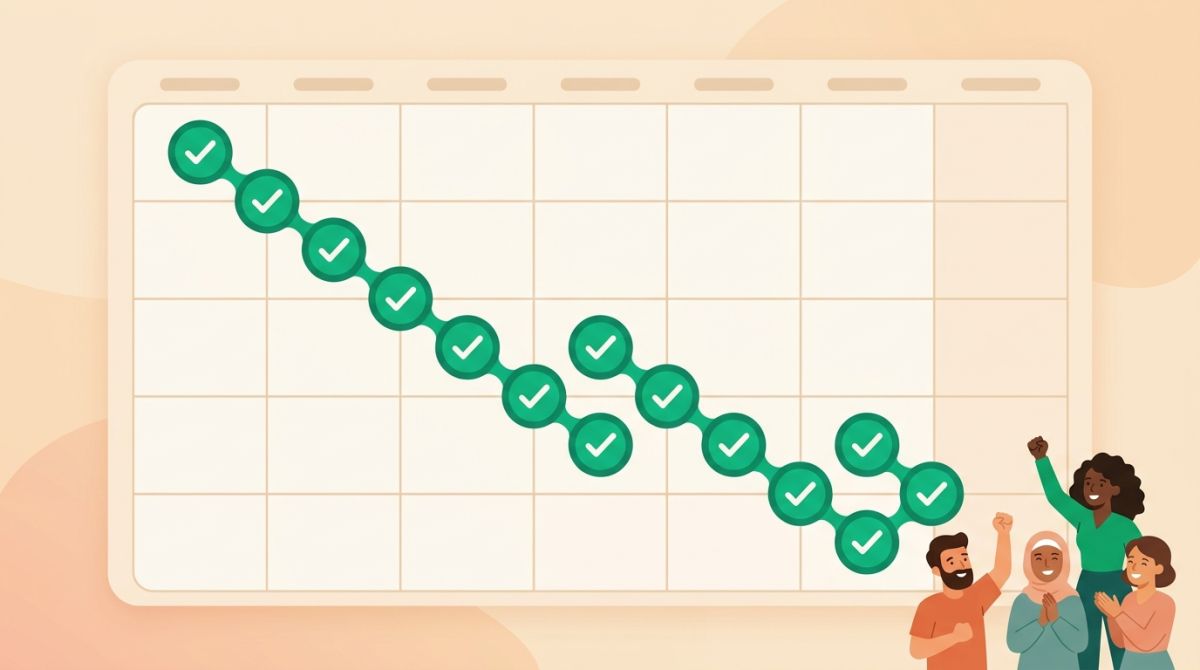
Days 1 to 3: announce one thing. Post a short message that the server is starting a 30-day challenge that fits its theme, create the single checkin channel, and set up the bot. State the floor explicitly. Do not apologize for the quiet stretch or promise a relaunch; just start.
Days 4 to 14: show up first, every day. Check in before anyone else, react to every checkin, and ask one specific question a day in the channel. This fortnight is where the ritual either becomes expected or does not, and it depends on you more than on anyone.
Days 15 to 21: hand over a ritual. Ask two active members to own the Monday goals and Friday wins threads. Create one earned role for members who have checked in ten or more times and grant it publicly.
Days 22 to 30: add the second ritual. A fixed-slot voice hangout or co-working session, announced once and then simply held at the same time each week. Run the end-of-month count: unique posters this week versus the week you started. If it doubled, keep everything as it is for another month before adding anything new.
The whole plan adds up to one daily mechanic, two weekly rituals, and an admin who is visibly present until the members are. That is the full system. Everything else in this guide is a way of protecting it.
If you want the daily mechanic ready in a minute, add the Habit Huddle bot and run /setup in your server. It is free for every member. If you run the server and want to give your huddles more, Habit Huddle Champion lets one person pay and every huddle they lead gets the Flex Package for all its members. For examples of servers that have made the checkin loop their identity, see our guide to Discord accountability servers.
Frequently asked questions
How do I keep my Discord server active every day?
Give members a daily action that is about them and takes under a minute, such as a checkin channel for a personal goal, and make sure the admin is visibly present for the first two weeks. Daily rituals keep a server alive between events because they do not depend on anyone thinking of something to say.
Why does my Discord server keep dying?
Most servers die from a spiral: a slow day makes members assume nobody is around, so they post less, so the next day is slower. The usual causes are an absent owner, activity that depends entirely on scheduled events, and no reason to open the server except to see whether others did.
Should I use bots to make my Discord server more active?
Use one or two bots attached to something members already want, like a checkin bot for a goal or a leaderboard for a real challenge. Leveling and game bots create bursts that fade, and a server with a dozen bots reads as automated rather than alive.
How often should I ping everyone on Discord?
At most once a week for a small server, and only for things members would be annoyed to miss. Frequent @everyone pings are one of the most common reasons members leave, and they leave without saying why.
Does a daily checkin channel work for non-fitness servers?
Yes. Study and coding servers run "did you ship today" checkins, creative servers count pages or sketches, and gaming communities run offline-time challenges. The habit only has to be something members want for themselves, because the channel borrows their motivation rather than manufacturing it.
Ready to Build Habits With Friends?
Stop failing alone. Join thousands using the #1 habit tracker with friends for real accountability and lasting results.
Prefer mobile? App Store · Google Play
Related Guides
More Habit Huddle articles on building habits with accountability.

HabitShare Alternatives: 6 Apps for Tracking Habits With Friends (2026)
Looking for a HabitShare alternative? Six social habit trackers compared by model, price, platforms, and what happens on a missed day, plus how to switch wit...

What to Do When You Miss a Workout Day: The 5-Step Comeback Plan
Missed a workout day? What one miss does to your body and habit, according to research, plus a five-step plan for the next 24 hours, when to make it up, and...

Habit Streak App With Friends: 7 Apps Compared (2026)
Seven habit streak apps with friends compared: Habit Huddle, HabitShare, Daily Pact, Habitica, Streaks, Habit Streak duels, HabitStreak.io. What friends see,...