10 Workplace Wellness Challenges That Actually Work (2026)
Boost team morale with these 10 workplace wellness challenges for 2026. Get practical ideas for physical and mental health, with tips to ensure success.
Most workplace wellness challenges fail because the design is weak. HR teams often run them like short campaigns instead of habit systems. The pattern is familiar: announce a challenge, add a leaderboard, send reminder emails, attach a gift card, then watch participation drop after the first burst of interest.
The core problem is accountability. Employees are usually willing to try. What breaks down is the gap between intention and follow-through, especially once work gets busy, energy dips, or the challenge starts to feel performative instead of useful.
Measurement is another common failure point. Many employers offer wellness programming, but a surprising number still do not track whether the activity changed behavior, improved consistency, or only generated a week of clicks and Slack posts. If the only success metric is signups, the program will look healthier than it is.
Incentives have a place, but they are easy to misuse. I have seen teams put too much weight on prizes, rankings, and public comparison, then act surprised when participation becomes uneven or resentment creeps in. Incentives can spark attention. They rarely create durable habits on their own.
A better model uses social accountability. Small groups, simple check-ins, visible progress, and flexible minimums give people a reason to stay engaged without turning wellness into surveillance. That trade-off matters. Too little structure and the challenge fades. Too much pressure and people opt out, fake compliance, or disengage.
That is the lens for this guide. These are not just 10 workplace wellness challenge ideas. They are 10 implementation-ready formats with guidance on duration, what to measure, and how to use a social accountability tool like Habit Huddle to turn a temporary challenge into repeatable behavior.
Table of Contents
- 1. Step Challenge / Daily Movement Goal
- 2. Mental Health & Mindfulness Minute Challenge
- 3. Hydration & Water Intake Challenge
- 4. Reading & Learning Challenge
- 5. Fitness & Workout Consistency Challenge
- 6. Sleep & Recovery Challenge
- 7. Nutrition & Meal Prep Challenge
- 8. Gratitude & Positivity Daily Practice
- 9. Digital Wellness & Screen Time Reduction Challenge
- 10. Stress Management & Stretching Break Challenge
- Top 10 Workplace Wellness Challenges Comparison
- From Challenge to Culture Making Wellness Stick
1. Step Challenge / Daily Movement Goal
Step challenges are popular because they're easy to explain and easy to track. They're also one of the fastest ways to create the wrong culture if you turn them into a pure leaderboard.
The better version uses a floor and a stretch goal. In Habit Huddle terms, that means a Minimum target and a Daily Goal. For example, a huddle might set a modest daily movement baseline that is accessible to many, then add a higher target for strong days. That keeps the challenge alive for beginners, parents, commuters, remote workers, and people returning from injury.
How to run it without excluding people
A good step challenge lasts long enough to build rhythm but not so long that it goes stale. Four to six weeks is usually enough for a company-wide rollout, with small huddles of peers checking in daily and reviewing progress once a week in Slack, Teams, or a quick standup.
The inclusion piece matters more than many organizations realize. Georgetown's Center for Child and Family Policy argues that wellness programs shouldn't rely on significant financial incentives tied to specific health goals, and it points to the need for activities that scale to different abilities in its analysis of health equity in workplace wellness. That's why I prefer movement points over strict step-count purism. Walking counts. Wheelchair mobility counts. Yoga counts. A lunchtime lap around the parking lot counts.
Practical rule: Reward consistency and improvement, not just the people already in great shape.
Use real examples employees recognize. Fitbit, smartphone pedometers, Apple Health, and Microsoft Teams-based office challenges all make tracking familiar. But don't let the app become the program. The social structure is the program.
- Best duration: 4 to 6 weeks
- Best metric: Daily check-in rate, weekly participation, most-improved recognition
- Best social accountability setup: Huddles of 4 to 6 people with one shared recap every Friday
2. Mental Health & Mindfulness Minute Challenge
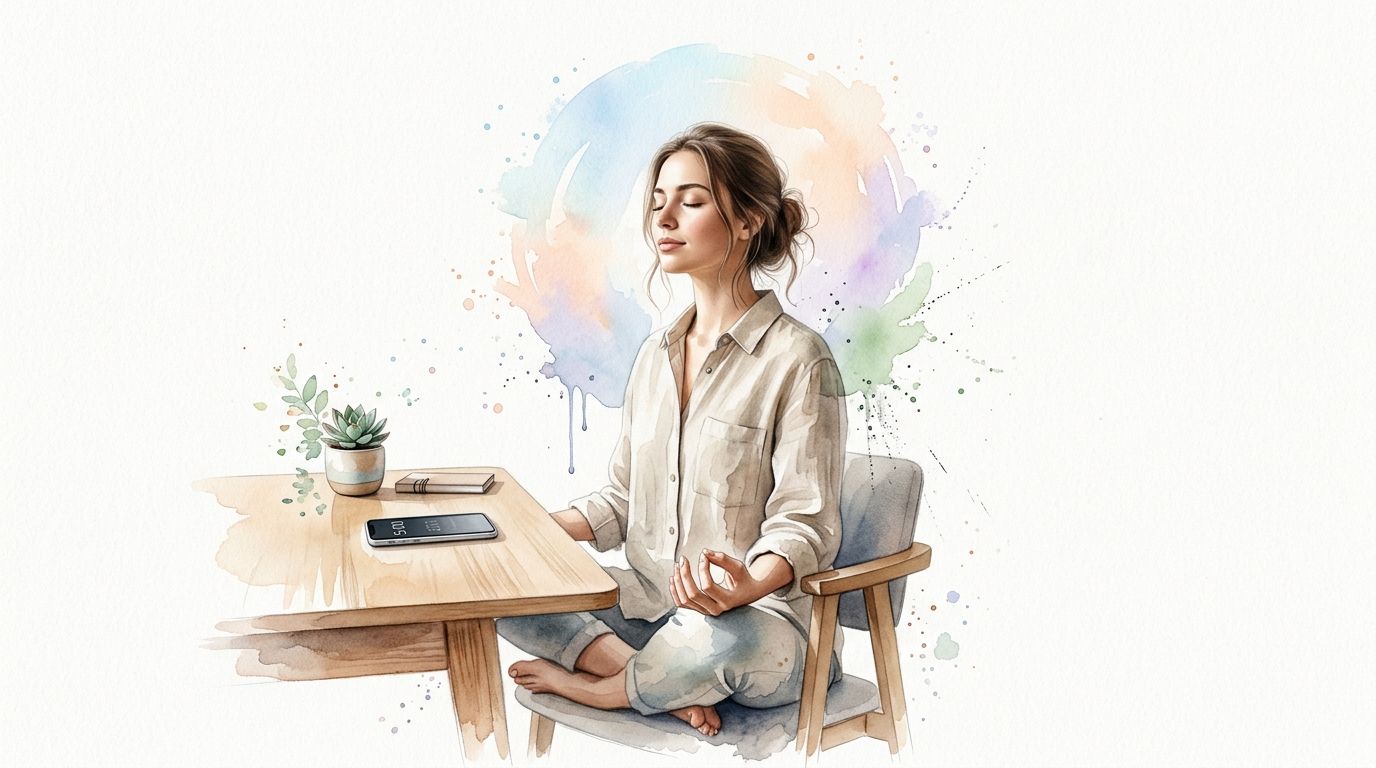
Mental health challenges fail for a predictable reason. Companies treat them like awareness campaigns when they should treat them like habit systems.
A meditation webinar can get polite attendance. It rarely changes anyone's Tuesday afternoon. What changes behavior is a small daily commitment, a clear minimum, and a few peers who notice whether it happened. That is the social accountability model behind every challenge in this implementation kit, and it matters even more here because mental health habits are private, easy to postpone, and hard to sustain without structure.
Keep the practice narrow. One to five minutes is enough for the daily minimum. That can be box breathing before the first meeting, a guided session after lunch, a silent reset between calls, or a brief journaling prompt. Employees should choose the format that fits their workday instead of forcing everyone into the same app or ritual.
The trade-off is real. If the challenge asks for 15 or 20 minutes a day, participation drops fast. If it asks for nothing more than reading a tip of the day, it turns into content consumption instead of behavior change.
Use a simple cadence that people can repeat without friction. Small huddles of 3 to 5 people work well. Each person logs completion once per day, posts one short reflection per week, and knows exactly what counts. If your team wants examples of low-pressure habit design, Habit Huddle's guide to mental health habits that stay realistic is aligned with this approach. Teams that want a simple daily check-in format can also borrow ideas from this hydration tracking app guide for accountability habits, because the same logging principle applies.
Practical rule: Track the practice, not anyone's emotional state.
That distinction protects privacy and improves trust. Managers should never ask employees to disclose anxiety levels, therapy details, or why they missed a day. The program should measure completion, consistency, and voluntary reflection. It should not turn mental health into performance theater.
Examples help, but the operating model matters more than the brand names. Some companies offer Headspace or Calm. Others run a two-minute reset at the start of team meetings. The stronger programs do one thing well. They make the habit visible, repeatable, and socially supported.
- Best duration: 3 to 4 weeks for the initial sprint, then continue as an opt-in team habit
- Best metric: Daily check-in rate, weekly streak consistency, voluntary reflection completion
- Best social accountability setup: Huddles of 3 to 5 people with one shared check-in window each workday
3. Hydration & Water Intake Challenge
Hydration is one of the easiest wellness challenges to launch, and one of the easiest to ruin. Companies turn it into a volume contest, employees game the numbers, and HR ends up measuring bottle refills instead of behavior change.
A better setup is simple. Define a daily minimum that fits the workday, make check-ins visible, and keep the standard consistent across the team. The goal is not maximum water intake. The goal is a repeatable habit employees can sustain after the challenge ends.
Build around adherence, not ounces
Good hydration programs remove guesswork. Set one clear rule for what counts. For example, employees log completion after hitting their personal daily water target or finishing a set number of bottle refills. If the rule changes by manager or department, participation drops and the data becomes useless.
The environment matters more than the prize. Offices need stocked refill stations, cups, and reminders near break areas. Remote teams need the same structure in digital form: a defined check-in window, a shared prompt, and a low-friction way to log the habit. Teams that need a simple model can use this guide to choosing a hydration tracking app for daily accountability.
Social accountability matters here because hydration is easy to postpone and easy to fake. Small groups solve both problems. When three to five coworkers check in at roughly the same time each day, the habit becomes visible without becoming invasive. That is the trade-off worth making. You lose some individual flexibility, but you gain consistency, which is what workplace wellness programs usually lack.
Keep the challenge practical. Do not ask employees to post exact ounces, body metrics, or health details. Ask for one daily yes or no check-in, with an optional note on energy, focus, or afternoon slump if they want to share it.
- Best duration: 21 to 30 days
- Best metric: Daily completion rate, refill consistency, optional self-reported afternoon energy trend
- Best social accountability setup: Huddles of 3 to 5 people with one shared daily check-in window and a binary completion log
4. Reading & Learning Challenge
Not every wellness challenge has to look like fitness. In high-burnout teams, learning challenges can restore focus and create a healthier relationship with growth. They also work well for distributed companies because they're naturally asynchronous.
The strongest version doesn't force everyone into one book. It gives a simple reading or learning block each day and lets employees choose format. Book chapters, audiobooks, articles, podcasts, short courses. If you force one content style, participation drops fast.
What to measure
Track the habit, not intellectual performance. Nobody should have to defend whether a chapter, industry article, or podcast episode was "serious enough." The point is regular mental renewal and skill-building.
A reading challenge also creates a good social loop. Product managers can swap industry reading. Sales teams can share talk tracks from a business book. Engineers can compare course notes. Companies like Amazon, McKinsey, and Slack have all built reputations around internal learning culture, but the practical version is much simpler. Give people a daily block, a peer group, and a place to share one takeaway.
Use a two-tier check-in. A short daily reading session protects the streak. A longer block counts as the stretch goal. Monthly discussions can sit outside the check-in system so employees don't feel punished if they miss the meeting.
- Best duration: 30 days
- Best metric: Daily reading streaks, takeaway shares, completion of chosen materials
- Best social accountability setup: Topic-based huddles such as leadership, health, sales, or personal growth
5. Fitness & Workout Consistency Challenge
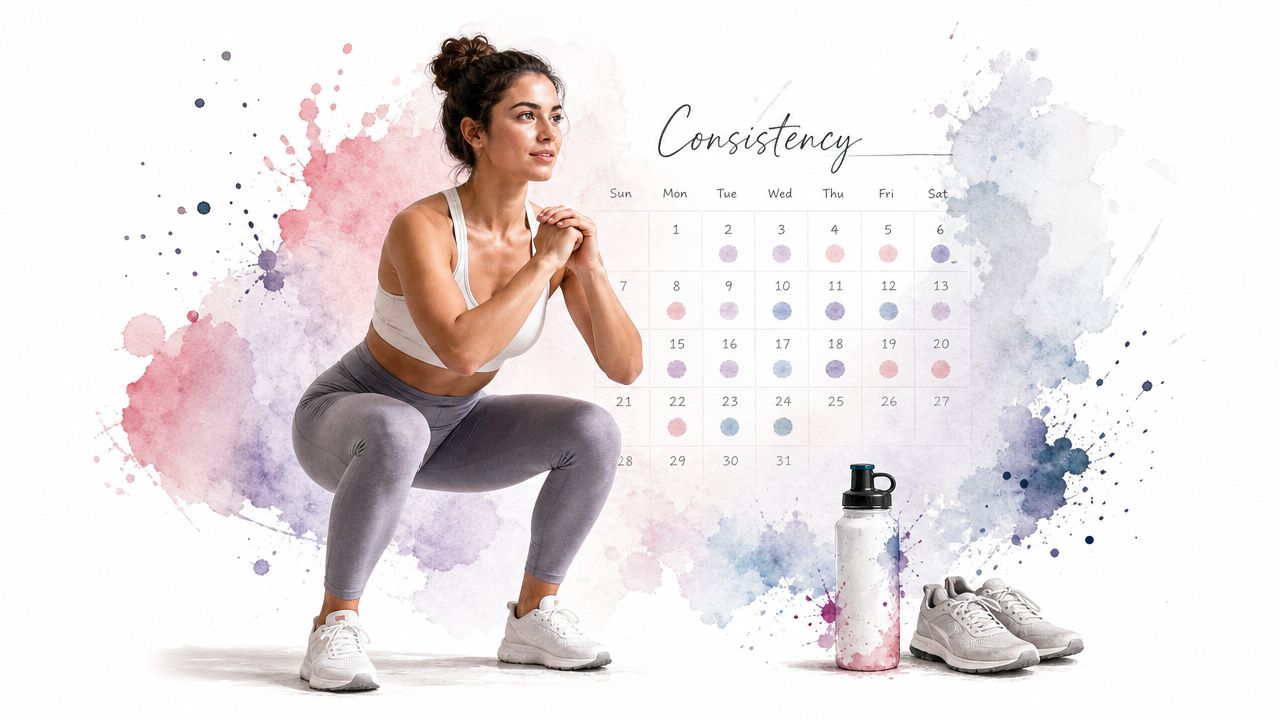
Fitness challenges fail for a predictable reason. HR teams reward output, the strongest exercisers set the tone, and everyone with less time, less confidence, or less access checks out by week two.
The fix is simple to describe and harder to run well. Score consistency, not athleticism.
A good workplace fitness challenge counts any planned workout that matches a clear minimum standard. That can include strength sessions, yoga, cycling, mobility work, swimming, home workouts, or a 20 minute walk if that is the participant's chosen training block. The point is repeated follow-through under real working conditions, not proving who can train the hardest.
Social accountability matters more here than in almost any other wellness challenge because motivation fluctuates fast. Public streaks, small group check-ins, and a shared minimum target create enough peer visibility to keep people showing up without turning the program into a performance contest. If you need format ideas, this roundup of group fitness challenge ideas for accountability-driven teams gives teams a practical menu to work from.
Set one baseline target and one stretch target. For example, three workouts per week keeps the challenge inclusive. Four or five workouts can sit above that as an optional push goal. I have seen this structure outperform points-heavy leaderboards because employees know exactly what counts, managers can reinforce the habit, and beginners are not punished for starting at a realistic level.
Access still shapes participation. Some employees have gym memberships and flexible schedules. Others are fitting movement between caregiving, commutes, and long meetings. Design for the second group first. If the challenge only works for people with money, equipment, and spare time, it is not a wellness program. It is a visibility contest.
How to run it without losing half the company
Use small huddles based on schedule or training preference, such as early morning, lunchtime, after work, strength, cardio, or low-impact movement. Ask participants to log the workout, note the type, and confirm duration or completion against the agreed threshold. Skip calorie counts, pace comparisons, and body-change goals. Those metrics create pressure and rarely improve long-term adherence.
The best test is practical. Can a tired employee still keep the streak during a rough week?
- Best duration: 4 to 8 weeks
- Best metric: Workouts completed, streak continuity, baseline-goal completion rate, participation across fitness levels
- Best social accountability setup: Huddles grouped by schedule or preferred training style, with visible weekly check-ins and a shared minimum workout target
6. Sleep & Recovery Challenge
Sleep challenges need careful handling. They're valuable, but they can quickly become intrusive if employees feel watched. The right design is private, low-pressure, and centered on recovery rather than optimization theater.
Use self-reporting or personal device data only if employees choose it. You don't need screenshots from wearables. You need a simple daily check-in that confirms whether someone hit their own recovery target or completed a bedtime routine.
You already know you can change.
You just need to take the first step. Habit Huddle helps you build habits around your goals, alongside friends who keep you accountable.
Protect privacy
This challenge works best when paired with education. Share practical sleep hygiene guidance, encourage a wind-down cue, and remind managers not to glorify late-night responsiveness during the challenge period. If leadership says sleep matters but still praises 1 a.m. emails, the challenge is dead on arrival.
The business case is already clear without forcing personal disclosures. In the Asia Pacific region, measuring wellness success requires tracking utilization, satisfaction, stress scores, absenteeism, and turnover trends year over year, according to Market Data Forecast's report on the Asia Pacific corporate wellness market. Sleep sits upstream of several of those outcomes, but you should still measure the challenge through participation and self-reported recovery, not surveillance.
Practical examples include teams using wearable sleep summaries privately, sharing wind-down routines in chat, or pairing sleep with a digital curfew challenge. Recovery is social when the encouragement is shared, even if the exact sleep data stays personal.
- Best duration: 2 to 4 weeks
- Best metric: Bedtime routine completion, self-reported sleep consistency, next-day energy check-ins
- Best social accountability setup: Buddy pairs with private logging and optional weekly discussion
7. Nutrition & Meal Prep Challenge
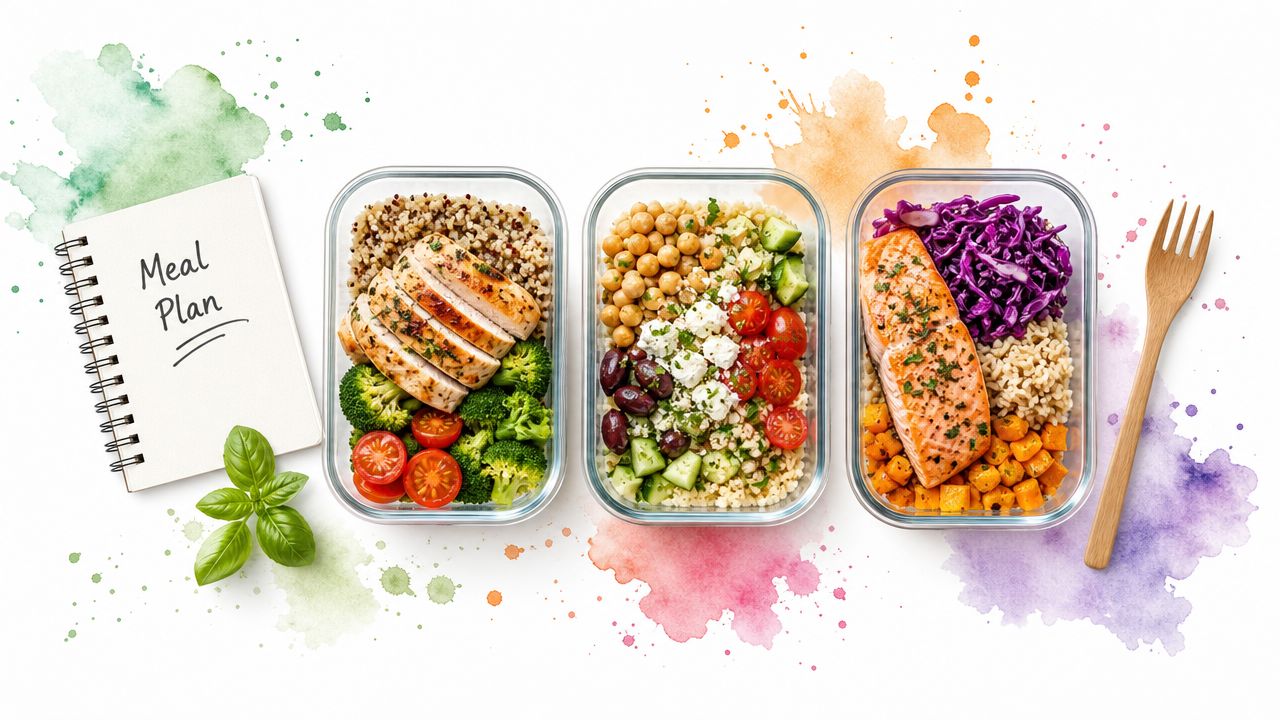
Nutrition challenges fail when HR turns them into a body transformation campaign. The version that works is operational. Help employees plan one or two meals ahead, reduce decision fatigue during the workday, and build food habits they can repeat after the challenge ends.
That changes the standard for success. Weight is a poor short-term metric for a workplace challenge. Preparation, consistency, and energy are better ones. As noted earlier, wellness programs tend to produce stronger results around risk reduction and daily habits than around lasting weight loss, so set expectations accordingly.
Build around behaviors people can repeat
The strongest format uses a social accountability structure from day one. Ask employees to choose one clear behavior for the week: prep tomorrow's lunch, log one balanced meal each workday, add produce to one meal, or bring a planned snack instead of relying on vending machines. Then place them in small Habit Huddle groups based on real constraints, not broad interest alone. Early-shift staff, parents managing family dinners, remote employees, and frequent travelers need different tactics.
I observe programs often breaking down. HR publishes a healthy eating tip sheet, participation spikes for three days, then the challenge fades because nobody is expecting follow-through. A social accountability tool fixes that by making the commitment visible to a small group, keeping check-ins light, and normalizing honest updates like "meal prep fell apart on Thursday, resetting today."
Keep the resources practical. Recipe swaps are useful if they align with how employees eat and shop. Quick lunches, budget-friendly staples, microwaveable office meals, and snack planning usually get more traction than idealized nutrition content. If you want an easy resource employees will use, share protein snacks to beat the slump alongside a simple prep checklist and a few weeknight meal templates.
Benepass makes a fair point in its argument against poorly designed wellness challenges. Challenges that create pressure without supporting behavior change do more harm than good. That is why this one should stay away from weigh-ins, food shaming, or public calorie comparisons.
- Best duration: 3 to 4 weeks
- Best metric: Meal logging consistency, prep sessions completed, self-reported afternoon energy, recipe or template sharing
- Best social accountability setup: Habit Huddles organized by schedule, household reality, or eating style, with weekly check-ins and private progress logging
8. Gratitude & Positivity Daily Practice
Some HR teams avoid gratitude challenges because they sound soft. That's a mistake. The issue isn't whether gratitude matters. The issue is whether the challenge is forced, public, and fake.
The version that works is optional in tone, structured in cadence, and broad in format. One person may write a private journal line. Another may thank a colleague in Slack. Another may log a moment of resilience instead of gratitude on a difficult day. That flexibility keeps the challenge emotionally honest.
Keep it psychologically safe
Don't make employees perform positivity. Give them prompts that allow range. Gratitude, appreciation, kindness, resilience, small win, or supportive moment. Managers should never comment on the content unless invited.
This type of challenge is especially useful for teams that need relational repair after a hard quarter, reorg, or high-conflict period. Arianna Huffington's public advocacy around gratitude and workplace recovery made the concept familiar, and Google's appreciation-driven team rituals offer a practical cultural example. But the implementation is simple. One daily entry. Optional sharing. Small-group acknowledgment.
A gratitude challenge should lower emotional pressure, not raise it.
- Best duration: 14 to 21 days
- Best metric: Participation consistency, optional peer appreciation activity, pulse feedback on team tone
- Best social accountability setup: Small huddles with private check-ins and optional weekly share-outs
9. Digital Wellness & Screen Time Reduction Challenge
Screen fatigue is not a personal failure. In most companies, it is an operating model problem. Employees are asked to collaborate, respond, document, learn, and socialize through the same devices, then HR wonders why "disconnect more" falls flat.
The challenge works when it targets boundaries, not total screen reduction. Required screen time stays in bounds. The behavior to change is spillover: checking Slack at 9:30 p.m., eating lunch while triaging email, scrolling between meetings, and replacing recovery time with more inputs. That is the pattern that drains focus and stretches the workday without anyone formally approving it.
Build around specific shutdown rules
Give people a short menu of commitments they can keep for 10 to 21 days. Examples include a phone-free lunch, a 30 to 60 minute no-screen block after work, no email during the first 30 minutes of the morning, a screen-free hour before bed, or audio-off walks with no podcast. Apple Screen Time and Android Digital Wellbeing can help employees monitor behavior, but the program should score completed boundaries, not perfect abstinence.
Accountability matters more here than in almost any other wellness challenge because the temptation is constant and socially reinforced. If a manager sends late messages, employees read that as a norm. If peers post their offline block in a Habit Huddle check-in, the norm starts to shift the other way. This is the core purpose of social accountability. It makes boundaries visible, repeatable, and harder to abandon unnoticed.
A good huddle prompt is simple: What offline block did you protect today, and what replaced it?
That second question is what turns the challenge from restriction into recovery. Strong replacement activities include reading, cooking, stretching, walking, hobby time, or uninterrupted family time. Teams that skip the replacement piece usually get weak compliance because people remove a screen habit without deciding what fills the gap.
Use manager guardrails too. Set a delayed-send norm for after-hours email. Ask team leads to define true urgencies versus morning-can-wait items. If leadership behavior stays unchanged, employees will treat the challenge as symbolic.
- Best duration: 10 to 21 days
- Best metric: Offline blocks completed, reduction in after-hours messaging, self-reported focus and evening recovery
- Best social accountability setup: Small huddles that require a daily check-in with one protected no-screen block and one offline replacement activity logged
10. Stress Management & Stretching Break Challenge
Stress management programs usually fail for a simple reason. They treat stress like a knowledge problem when it is really a behavior and accountability problem. Employees already know they should stand up, breathe, reset posture, and step away before tension builds. What they do not have is a system that makes those resets visible and repeatable during a real workday.
That is why this challenge works best as a structured micro-break practice, not a vague reminder to "take care of yourself." Set the minimum win at one logged reset per day. Set the stronger target at three resets spaced across the day. Count stretching, breathing drills, short walks, mobility work, or posture resets. That range makes the challenge usable for desk-based teams, customer support groups, healthcare admin staff, and remote employees with uneven schedules.
Make the reset automatic
If breaks depend on memory, participation drops fast. Put the resets where work already happens. Calendar holds, Microsoft Teams reminders, desktop alerts, meeting-room stretch cards, and wearable prompts all work. The point is not more wellness content. The point is removing the decision friction that causes people to skip the break.
As noted earlier, stress at work is already high enough that short recovery breaks should be treated as an operating practice, not an optional perk. The trade-off is real. Teams may worry that scheduled resets interrupt output. In practice, the bigger risk is letting fatigue, muscle tension, and mental overload stack up until focus drops for the rest of the day.
Social accountability is what makes this challenge stick. A manager reminder helps for a week. Peer visibility changes behavior longer. In a Habit Huddle setup, each person logs the time of their reset and the type of break they took. That creates a simple standard. People can see whether they are really interrupting stress patterns or just intending to.
A useful daily prompt is: When did you take your reset break today, and what type of reset helped most?
A short guided routine can help teams get started. This desk stretch video works well as an easy reset during the workday:
- Best duration: 3 to 6 weeks
- Best metric: Breaks logged per employee, adherence to scheduled reset windows, self-reported tension and afternoon focus
- Best social accountability setup: Small Habit Huddle groups with daily check-ins that require one completed reset to keep the streak alive and three resets to hit the stretch goal
Top 10 Workplace Wellness Challenges Comparison
| Challenge | 🔄 Implementation complexity | ⚡ Resource requirements | 📊 Expected outcomes | 💡 Ideal use cases | ⭐ Key advantages |
|---|---|---|---|---|---|
| Step Challenge / Daily Movement Goal | Low, simple tracking and leaderboards | Low, smartphones/wearables; minimal admin | Increased incidental activity, measurable step gains, team cohesion | Large or distributed teams seeking simple activity boosts | ⭐⭐⭐ Measurable, low-cost, inclusive for walkers |
| Mental Health & Mindfulness Minute Challenge | Low–Medium, app integration and guidance needed | Low, apps, guided sessions, occasional facilitator | Reduced stress, improved focus and resilience (subjective) | High-stress teams; remote workers; wellbeing initiatives | ⭐⭐ Evidence-backed for stress reduction; scalable |
| Hydration & Water Intake Challenge | Very low, straightforward logging | Very low, bottles, tracking sheets or app | Improved energy, cognition, and hydration habits | All departments; entry-level wellness programs | ⭐⭐⭐ Extremely accessible; quick habit momentum |
| Reading & Learning Challenge | Medium, curation and tracking materials | Medium, content subscriptions, time allocation | Knowledge growth, skill development, culture of learning | Professional development programs; knowledge-driven orgs | ⭐⭐ Supports growth and culture; flexible formats |
| Fitness & Workout Consistency Challenge | Medium, varied activity logging and safety considerations | Medium, apps/subscriptions, possible gym subsidies | Improved fitness, health outcomes, long-term habit formation | Teams motivated for physical health; hybrid workplaces | ⭐⭐⭐ Direct health benefits; strong habit formation |
| Sleep & Recovery Challenge | Medium, tracking plus education and privacy care | Low–Medium, apps/wearables, coaching resources | Better recovery, productivity, reduced illness (variable) | Performance-focused teams; wellbeing campaigns | ⭐⭐⭐ High ROI for productivity; foundational health focus |
| Nutrition & Meal Prep Challenge | High, complex monitoring and sensitive framing | Medium–High, nutritionists, food access, education | Improved diet awareness, energy; variable adherence | Programs targeting long-term health or weight/manage | ⭐⭐ Impactful but resource-intensive; needs careful framing |
| Gratitude & Positivity Daily Practice | Low, simple prompts and check-ins | Very low, journaling tools or app prompts | Improved morale, team relationships, psychological wellbeing | Culture-building; leadership development efforts | ⭐⭐ Low-cost, high-culture impact when voluntary |
| Digital Wellness & Screen Time Reduction Challenge | Medium, policy alignment and tracking nuance | Low–Medium, device tools, guidelines, culture shifts | Reduced digital fatigue, better sleep/work-life balance | Knowledge workers, remote teams with screen overload | ⭐⭐ Addresses modern burnout; may conflict with work needs |
| Stress Management & Stretching Break Challenge | Low, routine scheduling and reminders | Very low, guides, short videos, reminder tools | Reduced tension, improved posture and clarity during day | Desk-based roles, high-call environments, ergonomics focus | ⭐⭐⭐ High impact for little time/resource investment |
From Challenge to Culture Making Wellness Stick
A workplace wellness challenge shouldn't exist to create a short burst of enthusiasm. It should make a healthy behavior easier to repeat next month than it was this month.
That's where most programs break down. They launch with excitement, but they don't build accountability into the operating model. Then HR is left chasing participation with incentives, email reminders, and manager nudges. That approach doesn't scale well, and it doesn't create ownership.
A better model is smaller and stricter in the right places. Pick one habit per challenge. Keep the daily check-in simple. Use a Minimum target and a stretch goal so people can stay consistent during messy weeks. Make progress visible to a small peer group, not just to HR. That's the core advantage of social accountability.
It also solves one of the biggest participation problems in wellness. Among non-participants in workplace wellness programs, 44.4% cite lack of time, 28.5% lack interest, and 27.2% lack awareness, according to Transparency Market Research's workplace wellness market analysis. A good challenge design answers all three. It takes little time to log. It feels relevant because the habit is specific. And awareness stays high because peers see each other showing up.
There's also a culture point leaders often miss. Wellness doesn't become credible because a company adds more benefits. It becomes credible when managers support healthy behavior in the flow of work. Flexible arrangements, safer working conditions, and systems that reduce harmful stressors matter because poor working environments themselves create mental health risk, as WHO notes in its mental health guidance. A challenge can reinforce culture, but it can't compensate for a workplace that punishes recovery, autonomy, or basic respect.
So choose carefully. Don't launch all ten ideas at once. Start with the challenge that matches the biggest friction in your team right now. If burnout is visible, begin with mindfulness or stretch breaks. If employees feel sedentary, start with movement. If work is mentally scattered, try digital wellness or reading. Then measure what happened. Participation. consistency. utilization. satisfaction. absenteeism trends. turnover signals. Those are the markers that tell you whether a challenge is helping or just creating activity.
The strongest workplace wellness challenges feel light to the participant and disciplined behind the scenes. That's the sweet spot. Employees get a habit they can keep. Managers get a healthier rhythm. HR gets something more valuable than a temporary campaign. It gets a system.
Habit Huddle gives workplace wellness challenges the missing piece most programs never build: daily social accountability. Create a small huddle, assign one habit, let employees check in with a Minimum and a Daily Goal, and make consistency visible without turning wellness into surveillance. If you want a challenge format people will stick with, start a team on Habit Huddle and build from one repeatable habit at a time.
Ready to Build Habits With Friends?
Stop failing alone. Join thousands using the #1 habit tracker with friends for real accountability and lasting results.
Prefer mobile? App Store · Google Play
Related Guides
More Habit Huddle articles on building habits with accountability.
HabitShare Alternatives: 6 Apps for Tracking Habits With Friends (2026)
Looking for a HabitShare alternative? Six social habit trackers compared by model, price, platforms, and what happens on a missed day, plus how to switch wit...
What to Do When You Miss a Workout Day: The 5-Step Comeback Plan
Missed a workout day? What one miss does to your body and habit, according to research, plus a five-step plan for the next 24 hours, when to make it up, and...
Habit Streak App With Friends: 7 Apps Compared (2026)
Seven habit streak apps with friends compared: Habit Huddle, HabitShare, Daily Pact, Habitica, Streaks, Habit Streak duels, HabitStreak.io. What friends see,...