Headspace: Is It Worth It? a 2026 Value Analysis
Wondering if Headspace is it worth it? Our 2026 review analyzes cost, features, and real user data to see who actually benefits from the subscription.
Most advice about Headspace gets the question wrong. Reviews obsess over content libraries, celebrity voices, sleep features, and interface polish, then end with a generic verdict about whether the app is “good.”
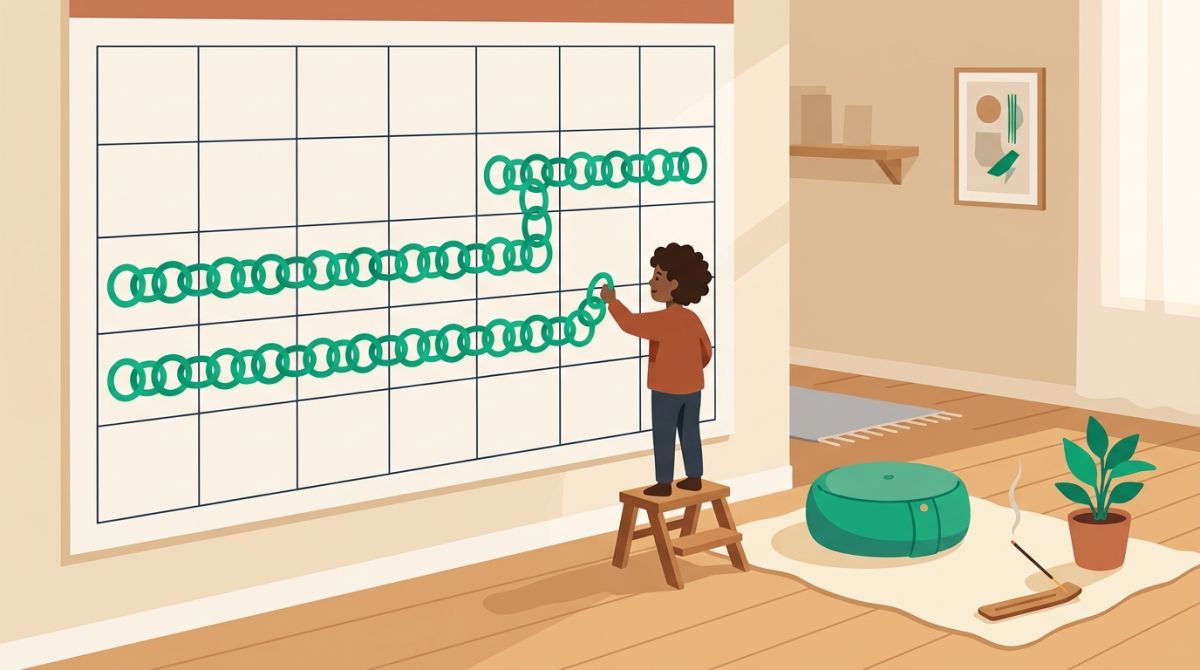
That misses the part that decides value. Headspace is only worth it if you use it often enough to turn guided sessions into a habit. If you won't return after the first burst of motivation, then even a polished app becomes an unused subscription.
That's the true frame for Headspace is it worth it. You're not just buying meditation content. You're making a bet on your own consistency with a self-directed tool. If you already know that habit formation is the hard part, this broader look at mental health habits that stick is a more useful starting point than another feature roundup.
A quick comparison makes the point:
| Question | If the answer is yes | If the answer is no |
|---|---|---|
| Do you want structured guidance for meditation? | Headspace may fit well | Free or less structured options may be enough |
| Do you usually follow through on daily wellness apps? | The subscription can deliver value | The subscription can become dead weight |
| Are you looking for prevention or routine support? | Headspace is more promising | It may feel too light |
| Are you expecting a replacement for therapy? | Reconsider your expectations | You need a different kind of support |
Table of Contents
- The Real Question Behind Your Headspace Subscription
- A Look Inside the Headspace App in 2026
- The Price of Peace A Critical Cost and Value Analysis
- Does Headspace Actually Work The Scientific Evidence
- Headspace vs The Alternatives A Habit-Focused Comparison
- Who Should and Should Not Pay for Headspace
- The Final Verdict and How to Maximize Your Free Trial
The Real Question Behind Your Headspace Subscription
People often treat meditation apps like streaming services. The assumption is simple: more content means more value. If an app gives you enough sessions, sleep audio, and wellness extras, it must be worth paying for.
That logic breaks down fast in behavior change. A huge library doesn't help much if you only open the app during stressful weeks, then ignore it for the rest of the month. Meditation benefits come from repetition, not inventory.
Content doesn't create outcomes, behavior does
Headspace is best understood as a habit support environment. It gives you guided sessions, a calm interface, and a low-friction starting point. What it doesn't do is remove the hardest part of self-improvement, which is showing up again tomorrow.
Many “worth it” reviews stay shallow. These reviews judge the product as if you're buying access. In reality, you're buying the chance to build a routine.
Practical rule: Don't ask whether Headspace has enough content for the price. Ask whether its format matches the kind of user you are when motivation fades.
The better question to ask yourself
Before comparing Headspace to any competitor, answer these:
- Do you need structure? If meditation feels vague or intimidating, Headspace's guided format can reduce friction.
- Do you repeat habits without external pressure? If you usually abandon wellness apps, the issue probably isn't content quality.
- Are you expecting support or treatment? Headspace works better as a routine tool than as a substitute for clinical care.
The strongest reason to buy Headspace isn't that it has more in it. It's that its design may make it easier for a beginner to start. Whether that turns into value depends less on what's inside the app and more on whether you'll keep returning to it.
A Look Inside the Headspace App in 2026
Headspace still feels built for people who don't want to think too hard before they begin. The app's clean layout, soft visuals, and guided pathways reduce the decision load that often stops beginners before their first session.
That matters more than it sounds. Meditation apps lose people when the opening experience feels crowded, overly spiritual, or too open-ended. Headspace leans the other way. It tries to make the next step obvious.

What the product experience is really selling
The core Headspace experience is structured guidance. New users typically move through beginner-friendly meditation series, then branch into singles built around specific moments like stress, focus, or winding down.
The app's broader ecosystem also reflects a familiar modern wellness bundle:
- Guided meditation courses for beginners who want progression rather than random picks
- Single sessions for immediate needs, such as stressful workdays or mental clutter
- Sleep content for people who use audio as part of a bedtime routine
- Movement and mindful exercise content for users who like wellness to feel less static
If you prefer a stripped-down session without a lot of setup, something like an online meditation timer may fit better. Headspace is less about pure silence and more about guided entry.
Why beginners often like Headspace
The app's biggest product strength isn't novelty. It's clarity. It gives people a defined starting point and removes the awkward question of what to do first.
That makes Headspace especially appealing to users who:
| User type | Why Headspace feels easier |
|---|---|
| First-time meditators | The guided voice and structure lower uncertainty |
| Busy professionals | Short sessions fit into narrow windows |
| People who feel overwhelmed by choice | The interface narrows decisions |
A meditation app can feel supportive without being transformative. Those are not the same thing.
Where the experience starts to narrow
More advanced users can hit the ceiling. If you already know how you like to meditate, too much guidance can feel repetitive. Some people also find that a polished app environment creates dependence on being led, rather than helping them build an independent practice.
That doesn't make the product weak. It just means Headspace works best when you need an accessible on-ramp. The cleaner the app feels, the more important it becomes to ask whether that convenience is training a habit or just reducing resistance for a few weeks.
The Price of Peace A Critical Cost and Value Analysis
Headspace gets oversold when reviewers treat it like a media subscription. More sessions, more courses, more sleep audio, more value. That framing misses the main economic question.
A meditation app is worth paying for only if it becomes part of your routine.

What you're paying for
Headspace is usually sold through three plan types:
- Monthly plan
- Annual plan
- Family plan
The annual plan matters most because it turns a low-friction trial into a commitment. Verified pricing discussed in this real-world stress reduction analysis places the annual subscription at $69.99 per year. On a spreadsheet, that looks modest. In practice, the value depends less on price than on repetition.
That is the part many reviews skip. Meditation does not work like Netflix, where unused catalog depth still feels like optionality. Unused mindfulness content has little residual value. If you do not return to the app, the size of the library stops mattering.
The key number most reviews ignore
The same study reported a 23.52% reduction in perceived stress, but only 64.93% of users saw any reduction at all. That creates a more useful framework for judging cost.
Headspace can be a cheap tool for the user who builds a steady practice. It can also be an expensive inactive subscription for the user who opens it enthusiastically for ten days, then disappears.
Here is the cleaner way to read the offer:
| Subscription question | Better interpretation |
|---|---|
| Is $69.99 cheap or expensive? | It depends on whether you will keep using it |
| Does the app work? | It can help engaged users |
| Is the annual plan the best deal? | Only if the lower yearly price does not outlast your motivation |
A short product tour helps if you're still weighing the cost against the experience:
Why the annual plan is a self-discipline bet
The usual comparisons do not hold up. Headspace is not like a gym with social pressure, a class with a fixed time, or a therapist you are scheduled to see. The app provides structure, reminders, and guidance, but it leaves adherence to the user.
If you need an app to make you meditate, the pricing question is secondary. The bigger risk is paying for a tool that does not solve the follow-through problem.
This is why some lower-cost or free alternatives can outperform Headspace for the right person. A simpler tool used daily beats a polished subscription used sporadically. For users who struggle with consistency, the better comparison may not be another meditation app with a bigger library. It may be an accountability system, including options like Habit Huddle, that increases the odds of showing up in the first place.
So the value test is narrower than it looks. Headspace is worth it for people who want guided structure and have a realistic path to regular use. It is not worth it for people buying the annual plan as a promise to their future self.
Does Headspace Actually Work The Scientific Evidence
Headspace does have evidence behind it. That matters because mindfulness apps often get discussed as if all calm-looking interfaces are interchangeable.
The strongest support in the verified data comes from workplace interventions, where the app was used in a structured context rather than as a casual download sitting on someone's phone.
You already know you can change.
You just need to take the first step. Habit Huddle helps you build habits around your goals, alongside friends who keep you accountable.
What the better outcome data shows
In an eight-week workplace study, employees using Headspace showed a 27% reduction in perceived stress, a 37% decrease in anxiety symptoms, and a 32% decrease in depression symptoms compared to a control group, according to this workplace study summary from Headspace's organization partner.
A separate employer intervention summarized in the verified data reported reductions in stress, depression, and anxiety over a longer period, plus improvements in self-compassion and job-related measures, according to the 2023 Headspace science update PDF.
Those findings tell you something useful: Headspace can work when people engage with it in a structured way.
What the evidence does not prove
The science here doesn't support a lazy conclusion that the app is a universal fix for stress, anxiety, or depression. The stronger interpretation is narrower.
- It appears useful for self-guided support.
- It appears useful in workplace wellness contexts.
- It appears more credible as a preventive or supportive tool than as a stand-alone answer for severe needs.
The last point matters most. Some recent coverage in the verified data argues that Headspace is most worth it as an adjunct to psychotherapy or as a preventive tool, not as a cure-all, as summarized in this Headspace review discussing high-frequency engagement and adjunct use.
The evidence supports “helpful when used well.” It does not support “enough for everyone.”
The analyst's read on the research
The workplace results are meaningful because they show more than vague user satisfaction. They show measurable change under actual use conditions. But those same findings still depend on the user doing the work.
That's the theme that keeps returning. Headspace isn't empty wellness theater. It's a legitimate self-directed tool. Its limitation is built into its format: the app can guide, but it can't carry the habit for you.
Headspace vs The Alternatives A Habit-Focused Comparison
Most comparisons ask which app has the better library. That's a shallow way to compare meditation products because it treats all user failure as a content problem.
The more important comparison is this: which option best matches the way you follow through? Headspace can lose on paper and still win in practice if its structure gets you to show up. A bigger library can “beat” it on features and still do nothing for your routine.
Headspace vs Calm at a glance
| Criterion | Headspace | Calm |
|---|---|---|
| Overall style | Structured and guided | Broader wellness feel |
| Best for | Beginners who want direction | Users who prefer atmosphere and variety |
| Meditation tone | Instruction-led | Often more ambient and mood-based |
| Main risk | You may outgrow the guidance | You may browse more than practice |
Headspace's advantage is its beginner logic. It gives people a path. Calm tends to appeal to users who want a softer, more lifestyle-oriented experience. If you already know you'll meditate regardless, the distinction may come down to taste. If you struggle to start, structure usually matters more than aesthetics.
Headspace vs free alternatives
Free options can absolutely be enough. Insight Timer, YouTube, and simple meditation timers can all support a useful practice.
The trade-off is curation versus friction:
- Headspace gives you a narrow, guided lane. That can reduce indecision.
- Free platforms give you range. That can either feel liberating or chaotic.
- A plain timer gives you autonomy. That works best if you already know what you're doing.
Many buyers often overpay. They assume premium content will create premium consistency. Often the opposite happens. People use paid apps for a week, then stop because the behavioral problem was never solved.
The missing category in most comparisons
The alternative to Headspace isn't always another meditation app. Sometimes it's an accountability system.
If your history with self-improvement apps is a cycle of downloading, trying, and abandoning, then comparing Headspace to Calm misses the point. Both are still self-directed tools. The issue isn't which meditation voice you prefer. The issue is whether anything in your environment makes consistency more likely.
That's why the most useful comparison isn't feature-based. It's behavioral. Some people need meditation guidance. Others need social accountability, visible check-ins, and a reason not to skip.
The verified data supports this lens. It argues that Headspace is most worth it when used with high-frequency engagement, and that its value is contingent on a behavior the app itself does not enforce, as described in the earlier linked review.
Environment matters more than accessories
This also explains why some people pair meditation with offline cues rather than app features. A consistent seat, the same time each evening, headphones kept by the bed, or even sensory anchors like incense for meditation can matter more than whether your app has one more sleep track.
The best meditation product for you may be the one that creates fewer decisions, fewer excuses, and more repetition.
If you're deciding between Headspace and alternatives, don't just compare what each platform offers. Compare what each one demands from you. Headspace demands follow-through. Free tools demand even more self-direction. Broader wellness apps demand that you resist browsing your way out of practice.
That's why the “best app” question often produces the wrong answer. The better answer is the tool, or system, that you'll still use after the first wave of enthusiasm disappears.
Who Should and Should Not Pay for Headspace
Headspace isn't for everyone, and the mismatch usually has less to do with quality than with fit. The app works best for people whose needs line up with its level of guidance and its self-directed format.
If you're trying to decide quickly, think in terms of user types rather than ratings.
People who are likely to get value
Headspace makes the most sense for a few groups.
- Beginners who want a clear starting point. If meditation feels abstract, the app's guided structure can reduce uncertainty.
- People building a preventive routine. If your goal is stress management, sleep support, or a steadier mental baseline, the app fits that use case well.
- Employees who get access through work. When the employer covers the cost, the value equation changes because the financial risk drops.
These users don't need the deepest content library on the market. They need something approachable enough to become part of regular life.
People who should hesitate
Other users should be more cautious.
| User type | Why Headspace may not be worth it |
|---|---|
| Advanced meditators | The guidance can feel restrictive |
| Budget-conscious explorers | Free tools may cover the same basic need |
| Serial app abandoners | The self-directed format may expose the same old pattern |
If you've started and stopped multiple wellness apps, don't assume Headspace will solve that by being nicer to look at. It may be better designed. That's not the same as being behaviorally stronger for your situation.
A necessary distinction about mental health needs
It's also important not to confuse a wellness app with clinical care. The names alone can create confusion here, especially because the Australian youth mental health service headspace is a separate program from the Headspace meditation app.
An evaluation of that Australian program found that only 13.3% of young people experienced a clinically significant reduction in distress, according to this UNSW evaluation of the headspace program. The broader lesson isn't about condemning either service. It's that support has to match the level of need.
If meditation itself feels difficult, intimidating, or emotionally activating, this reflection on the fear of meditation may help you separate resistance from a genuine mismatch.
The blunt version is simple. If you need routine support, Headspace may be a good buy. If you need treatment, evaluation, or deeper care, don't use a wellness subscription as a substitute for the help that fits the problem.
The Final Verdict and How to Maximize Your Free Trial
Headspace is worth it only if it becomes a habit. That is the part many reviews get backward. A large library can improve perceived value, but unused content has no practical value at all.
The subscription makes sense for a specific user profile. You want guided structure, you are open to short sessions, and you can attach the app to an existing routine such as waking up, commuting, or getting ready for bed. In that case, Headspace can earn its price through repeated use.
It is a poor buy for people who hope paying will create discipline for them. The app reduces friction. It does not supply accountability, external pressure, or social follow-through. If your pattern is downloading wellness tools, exploring them for a week, and drifting away, the risk is not that Headspace lacks features. The risk is that you are buying another month of low usage.
Use the free trial as a behavior test, not a product tour.
How to test whether you'll use it
- Choose one fixed time. Tie Headspace to the same daily cue instead of opening it whenever you remember.
- Use one primary format for several days. Constant sampling can mimic engagement while delaying habit formation.
- Track returns, not impressions. The useful question is how many days you came back, not whether the design felt calming.
- Watch what happens after day three or four. Early curiosity is common. The better signal is whether you keep showing up once the novelty drops.
- Set a minimum bar before paying. If you would not feel good about your level of use after the trial, the annual plan will not fix that.
A simple rule works here. If the trial produces a stable routine, Headspace is probably worth the money. If the trial produces intermittent browsing, it is an expensive form of optimism.
If consistency is your main constraint, not content variety, Habit Huddle is worth a look. It is built around visible accountability, simple check-ins, and group momentum, which addresses the failure point many meditation apps leave to willpower alone.
Ready to Build Habits With Friends?
Stop failing alone. Join thousands using the #1 habit tracker with friends for real accountability and lasting results.
Prefer mobile? App Store · Google Play
Related Guides
More Habit Huddle articles on building habits with accountability.

Feel Hungover Without Drinking? 9 Surprising Causes
Do you feel hungover without drinking alcohol? Learn the common and hidden causes, from sleep debt to dehydration, and find actionable steps to feel better.
Discord Habit Tracker Bot: Turn Any Channel Into a Group Habit Tracker
How a Discord habit tracker bot works, what to look for, and how to set one up: daily checkins, streaks, a group Checkin Chain, and stats in your server.
10 Workplace Wellness Challenges That Actually Work (2026)
Boost team morale with these 10 workplace wellness challenges for 2026. Get practical ideas for physical and mental health, with tips to ensure success.