
Does Quitting Drinking Make You Tired? Get Your Energy Back
Does quitting drinking make you tired? Yes, it's a common part of recovery. Learn why sobriety fatigue happens, how long it lasts, and actionable steps to get
Yes, quitting drinking can absolutely make you tired, and it's very common. In early sobriety, alcohol withdrawal typically lasts between 5 and 14 days, and fatigue is one of the most common symptoms because your body is doing a lot of repair work all at once.
If you're reading this while wondering why you feel wiped out instead of refreshed, you're not doing anything wrong. A lot of people expect to stop drinking and wake up full of energy the next day. Instead, they feel heavy, foggy, and strangely drained. That can feel discouraging, especially if you quit because you wanted better sleep, sharper focus, and more stable mornings.
The reassuring part is this. Early tiredness after quitting alcohol is usually a temporary physiological response, not a sign that sobriety isn't working. Your brain, sleep cycle, hormones, and metabolism are all trying to rebalance. Healing often feels messy before it feels good.
Table of Contents
- The Paradox of Quitting Alcohol
- Why Your Body Is So Tired After You Stop Drinking
- Your Timeline for Getting Energy Back
- How to Actively Reclaim Your Energy
- Track Your Habits to Build Momentum
- When Fatigue Is a Sign of Something More
The Paradox of Quitting Alcohol
You stop drinking because you're tired of feeling tired. Then, for a while, you feel even more tired.
That's the paradox.
A lot of people interpret this as failure. They think, "If quitting is supposed to help me, why do I feel like I can barely move?" But early sobriety doesn't always feel energizing at first. It can feel like your body is sending the bill for work it postponed for a long time.
Imagine finally turning off a noisy machine that's been rattling in the background for years. Once the noise stops, you notice everything else that needs attention. Your sleep debt. Your stress level. Your blood sugar swings. Your stretched-out routine. Alcohol used to blur some of those signals. Without it, your body starts processing them more directly.
Practical rule: Early exhaustion after quitting alcohol often means your system is shifting out of survival mode and into repair mode.
That doesn't make the fatigue easy. It just makes it easier to understand.
Some people also need more support than they expected, especially if they were drinking heavily or have had withdrawal symptoms before. If that sounds like you, a professional program can be the safest way to manage detox and recovery. If you're comparing options, this guide to choosing the right Hyderabad rehab gives a useful framework for what to look for in treatment, support, and follow-up care.
The key point is simple. If you've been asking, does quitting drinking make you tired, the answer is yes for many people at first. But tired doesn't automatically mean harmed. Often, it means your body has finally started the hard part of healing.
Why Your Body Is So Tired After You Stop Drinking
A common early sobriety experience goes like this. You stop drinking because you want more clarity, better sleep, and steadier energy. Then a few days later, your body feels heavy, your brain feels foggy, and simple tasks seem to take more effort than they should.
That reaction can feel backwards. It is also common.
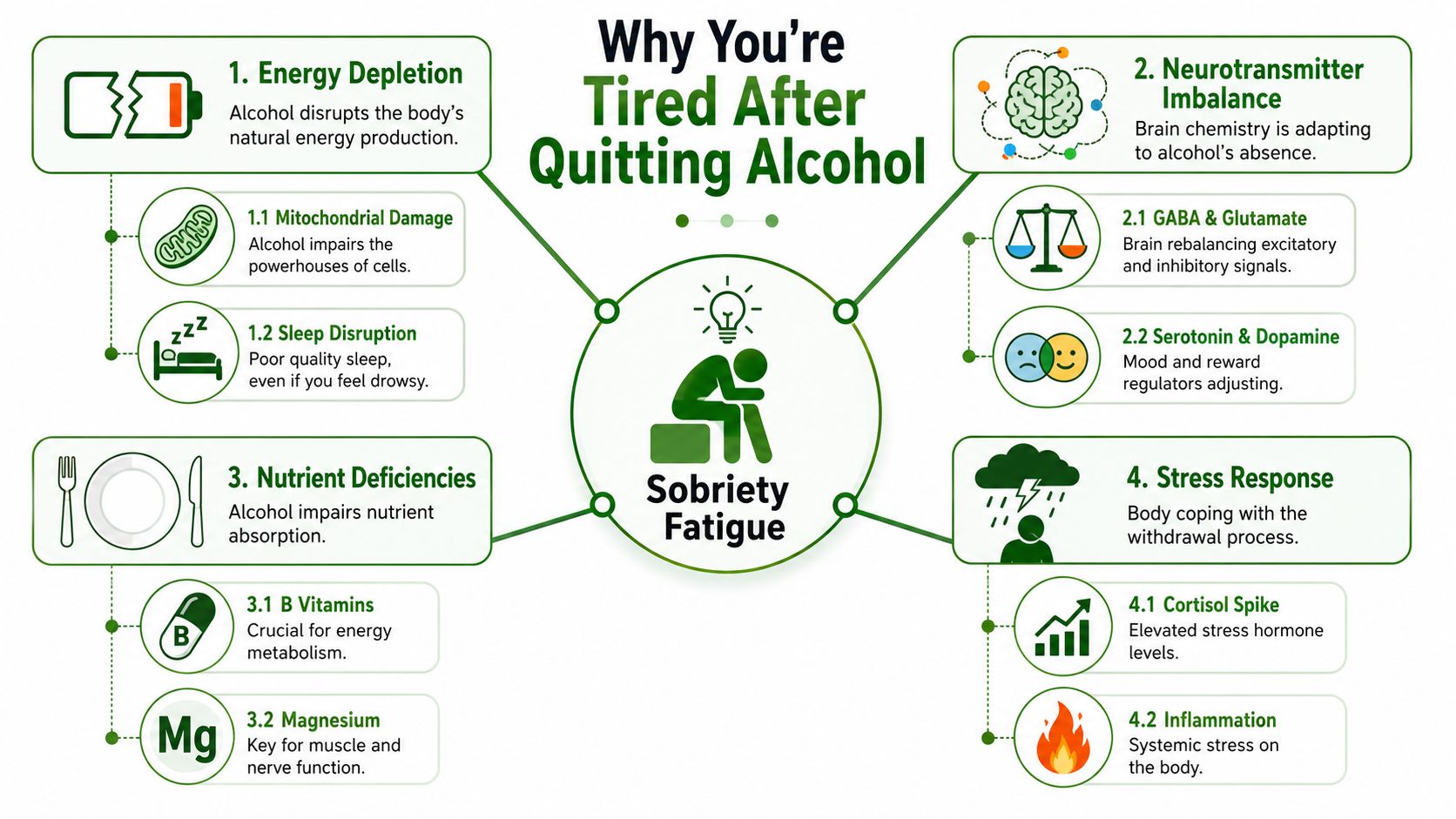
Your brain is recalibrating
Alcohol slows activity in the central nervous system. If drinking has been frequent, your brain adjusts to operating with that chemical brake in the system. When the alcohol is gone, the brain does not settle into a new rhythm overnight.
That is why you can feel tired and restless at the same time. Your system is trying to find a stable setting again. Being more alert is not the same as having more usable energy.
A practical comparison is a phone after a forced restart. The screen is on, but apps are still reloading in the background, the battery drains faster, and everything feels a little off until the system settles. Early recovery can feel similar. You are online, but not fully efficient yet.
This helps explain why some people feel oddly sick, foggy, or off even without alcohol. If that sounds familiar, this article on why you can feel hungover without drinking explains that pattern in plain language.
Your body is spending energy on repair
Fatigue after quitting is not only a sleep problem. It is also an energy production problem.
Research reviewed in this paper on metabolic changes during withdrawal and protracted withdrawal describes decreased metabolism, low drive, and reduced energy during withdrawal and the longer adjustment period that can follow. The same review notes that energy use and fuel regulation may stay out of sync for a while during abstinence.
Here is the simple version. Alcohol can disrupt how your body handles blood sugar, stress hormones, sleep signals, and nutrient absorption. Once drinking stops, your body starts repairing those systems at the same time. Repair work costs energy.
That helps answer a frustrating question many people have. "If I am sleeping longer, why am I still exhausted?" Because sleep is only one piece of the recovery equation. Your cells are also trying to restore more stable energy production.
Nutrient gaps can make the fatigue worse
This is one area people often miss.
Heavy drinking can crowd out food, irritate the gut, and reduce absorption of nutrients your body needs to make energy well. B vitamins get a lot of attention, for good reason, but they are not the whole story. Iron and magnesium deserve more attention than they usually get in sobriety advice.
Low iron can leave you feeling weak, short of breath, lightheaded, or wiped out by basic activity. Low magnesium can show up as poor sleep, muscle tension, irritability, headaches, and that drained-but-wired feeling. You cannot diagnose either one by guessing, but both can make recovery fatigue feel much heavier.
That is why "just rest more" often falls short. If your body is low on raw materials, extra time in bed may not change much.
Why this feels so confusing
Early sobriety fatigue can feel unfair because your habits may be improving. You may be drinking water, eating more regularly, and going to bed earlier, yet your energy still lags.
There is a reason for that. Recovery is not a straight line from "stop drinking" to "feel amazing." It is more like catching up on delayed maintenance while trying to live your normal life at the same time.
For some people, symptoms go beyond ordinary tiredness and need clinical support. For readers who may need that level of care, Expert help for withdrawal in Orange County is one example of the kind of specialized treatment that can help.
Severe withdrawal can become dangerous, especially if you have a history of heavy drinking, seizures, hallucinations, or serious medical symptoms during past attempts to quit. In those cases, fatigue is not the main issue. Medical evaluation is.
Your Timeline for Getting Energy Back
The hardest part of sobriety fatigue is not knowing whether what you're feeling is temporary. A timeline helps because it turns a vague fear into something more concrete.
What the first stretch often feels like
Sleep often gets weird before it gets better. While alcohol disrupts REM sleep, quitting can trigger a temporary rebound insomnia effect where sleep worsens before it improves. By the end of the first week without alcohol, sleep patterns typically stabilize, and many people in abstinence studies report feeling more rested in the morning within the first month, according to Drinkaware's guide to what to expect when you stop drinking.
That means a rough first week doesn't predict a rough future. It may just mean your brain is adjusting.
If you like seeing recovery in milestones, reading a longer checkpoint can help too. This reflection on what 60 days without alcohol can feel like is useful when you want to think beyond the first difficult stretch.
Sobriety energy recovery timeline
| Timeframe | What to Expect |
|---|---|
| First days | Fatigue can be heavy. You may feel sleepy, foggy, or physically drained even if you aren't sleeping well. |
| By the end of week one | Sleep patterns often begin to stabilize after rebound insomnia. Mornings may still feel rough, but many people notice less chaos than in the first few days. |
| Week two | Energy often starts to improve as sleep becomes more restorative and the body settles into a more predictable rhythm. |
| First month | Many people report feeling more rested in the morning and sleeping through the night more consistently. |
| Following months | Some people still get waves of fatigue as deeper healing continues. That doesn't always mean something is wrong. It can mean recovery is still unfolding. |
A second source adds another encouraging marker. People who stop drinking completely often report improved energy and better sleep within the first week, with sleep quality continuing to improve by week two, according to Priory Group's review of benefits after giving up alcohol for a month.
Recovery doesn't move in a straight line. Better sleep, a random crash, then a stronger week is still progress.
If your timeline feels slower than someone else's, don't panic. Drinking history, nutrition, general health, stress, and mental health all shape how quickly energy comes back.
You already know you can change.
You just need to take the first step. Habit Huddle helps you build habits around your goals, alongside friends who keep you accountable.
How to Actively Reclaim Your Energy
Waiting passively for fatigue to lift can make recovery feel endless. The better approach is to support your body in ways that match what it's trying to do.

Use the exercise paradox to your advantage
This is the part many people miss. When you're tired, "rest more" sounds logical. But in early recovery, gentle movement can give you energy back.
Emerging clinical reviews described by Ocean Recovery Centre's discussion of sobriety fatigue report that 15 to 20 minutes of moderate walking daily can significantly reduce fatigue related to post-acute withdrawal syndrome within 2 weeks. The mechanism matters. Gentle walking can release endorphins that counter lethargy and help reset circadian rhythm without pushing you into overexertion.
This isn't advice to start training hard. It means:
- Choose moderate effort: A brisk walk is enough. You should feel awake, not crushed.
- Keep the bar low: If 20 minutes feels like too much, start with your minimum and build.
- Use consistency over intensity: The goal is to teach your body a rhythm, not win a fitness challenge.
A short walk after lunch, a slow treadmill session, or easy yoga can all work better than lying down all day and waiting to feel motivated first.
Support recovery with targeted nutrition
Many individuals hear about B vitamins after quitting alcohol. That's useful, but it isn't the whole picture.
Some newer recovery-focused writing has started paying more attention to iron and magnesium as possible reasons fatigue lingers beyond early detox, especially when someone says, "I'm not in acute withdrawal anymore, but I still feel wiped out." The practical takeaway is simple. If your exhaustion keeps hanging around, it's worth discussing nutrition and possible deficiencies with a clinician instead of assuming it's "just withdrawal."
A food-first approach can look like this:
- Iron-rich meals: Beans, lentils, spinach, red meat if you eat it, and iron-fortified foods.
- Magnesium-rich foods: Pumpkin seeds, almonds, cashews, leafy greens, and legumes.
- Steady meals: Regular protein, fiber, and complex carbohydrates can help keep energy more stable during recovery.
You don't need a perfect diet. You need enough fuel for healing.
Helpful lens: Early sobriety is not a good time to undereat, overtrain, or live on coffee.
Rebuild sleep without relying on alcohol
Alcohol can make people sleepy, but it disrupts restorative sleep. Once you remove it, your body has to relearn how to fall asleep and stay asleep naturally.
That relearning goes better when you make sleep boring and predictable. A steady wake time, dim lights at night, less screen stimulation before bed, and a simple wind-down routine all help. If you want a practical walkthrough, this guide to improving sleep habits during recovery is a helpful companion.
Try this simple evening reset:
- Set a regular cutoff: Stop stimulating activities well before bed.
- Lower the noise: Dim lights, reduce screens, and keep your room cool and quiet.
- Repeat the same cues: Tea, stretching, reading, breathing practice, or journaling can all signal "sleep mode" to the brain.
- Avoid chasing perfect sleep: The target is steadier sleep, not instant perfect nights.
Track Your Habits to Build Momentum
When you're exhausted, progress is easy to miss. You might focus only on what still feels hard and overlook what is improving.
A simple example of what progress can look like
Take someone in early sobriety who wakes up tired, feels unmotivated, and keeps thinking, "I'm doing all this work and still feel awful." If that person only measures success by "Do I feel amazing yet?" they'll probably get discouraged.
If they track smaller recovery behaviors instead, the picture changes. Maybe one day they do a short walk. The next day they eat a proper breakfast. Another day they go to bed on time even though sleep is patchy. None of those actions feels dramatic in the moment, but together they create momentum.
That kind of tracking works best when it's simple enough to use on low-energy days. You can see an example here:
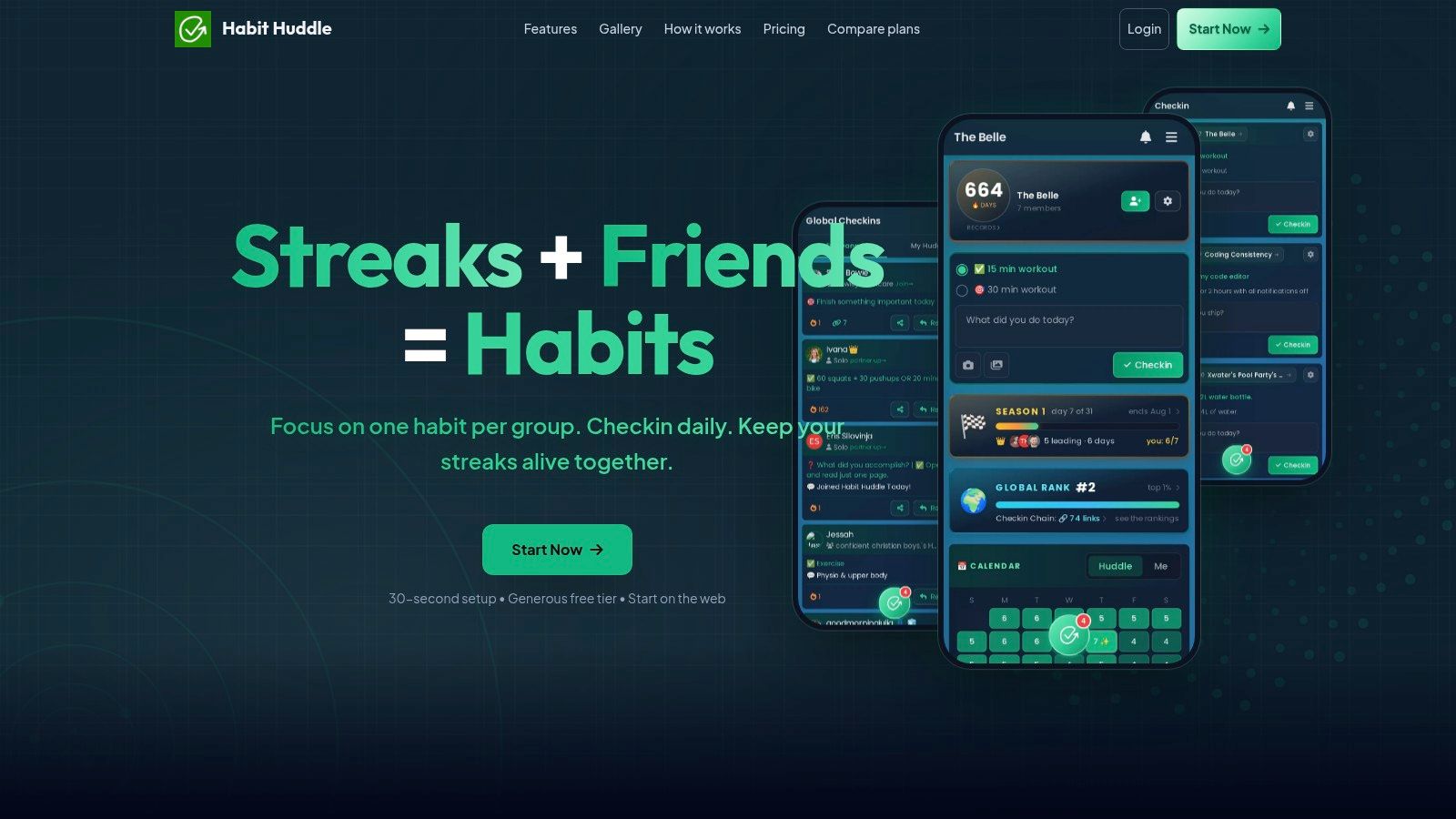
A practical system doesn't ask you to become a different person overnight. It helps you notice that showing up still counts, even when the version of showing up is smaller.
What to track when energy is low
The most useful habits to track are the ones that support recovery directly and can be done even on rough days.
Examples include:
- A short walk: This supports the exercise paradox without becoming overwhelming.
- Consistent meals: Even one balanced meal can be worth tracking.
- Bedtime routine: Not "slept perfectly," but "started wind-down routine."
- Hydration: Keeping water intake visible can help when appetite and energy are off.
- Supplements or clinician-recommended nutrition steps: If these are part of your plan, track the action, not the outcome.
The bigger lesson is that progress is easier to trust when you can see it. If you want ideas for building that kind of visible accountability into daily life, this article on how to track progress is a solid place to start.
Some days recovery looks like a breakthrough. Some days it looks like keeping one promise to yourself. Both count.
When Fatigue Is a Sign of Something More
A lot of post-alcohol fatigue is part of recovery. Sometimes, though, exhaustion is your body waving a red flag instead of asking for patience.
One useful way to sort it out is to ask a simple question. Does this feel like heavy, frustrating tiredness, or does it feel alarming?
Normal fatigue versus danger signs
Typical early-sobriety fatigue often feels like brain fog, low motivation, sore or heavy limbs, and a stronger need for sleep. Your system is recalibrating after alcohol disrupted sleep, stress hormones, hydration, and nutrition. It works a bit like a house after a power surge. Once the surge stops, the lights may still flicker while everything resets.
Get urgent medical help if fatigue comes with fever, mental confusion, hallucinations, severe shaking, or seizures. Those symptoms can point to a more serious withdrawal process and need medical care, not home troubleshooting.
Mood matters too.
If the tiredness comes with persistent hopelessness, panic, feeling emotionally flat for days, or being unable to do basic daily tasks, alcohol may no longer be covering up depression, anxiety, trauma, anemia, a sleep disorder, or another health issue. Fatigue is sometimes less about "I need more willpower" and more about "something underneath needs treatment."
When to ask for extra help
Reach out to a doctor, therapist, or addiction clinician if your energy is getting worse, not better, if you are sleeping a lot and still waking up exhausted, or if fatigue has stayed intense beyond the first stretch of recovery.
Be specific when you ask for help. Mention sleep quality, appetite, mood, and whether you are eating enough protein and iron-rich foods. Ask whether it makes sense to check for issues like iron deficiency, low magnesium intake, depression, thyroid problems, or sleep apnea. Those are easy to miss if you assume every symptom is "just quitting drinking."
Recovery fatigue is not solved by rest alone. Gentle movement can raise energy even when you feel sluggish, and low iron or magnesium can contribute to persistent exhaustion. If short walks, regular meals, hydration, and basic nutrition support are not helping at all, that is useful information to bring to a clinician.
You do not need to wait until things fall apart before asking for support.
The hard part is that recovery can feel messy and uneven. The hopeful part is that once the right problem is identified, energy often becomes much easier to rebuild. If you're trying to rebuild energy one day at a time, Habit Huddle can help you stay consistent with the small actions that matter, like a daily walk, hydration, meals, or a bedtime routine. Instead of chasing perfection, you track the habits that support recovery and build momentum through simple check-ins, visible streaks, and accountability with other people who want to show up too.
Ready to Build Habits With Friends?
Stop failing alone. Join thousands using the #1 habit tracker with friends for real accountability and lasting results.
Prefer mobile? App Store · Google Play
Related Guides
More Habit Huddle articles on building habits with accountability.

HabitShare Alternatives: 6 Apps for Tracking Habits With Friends (2026)
Looking for a HabitShare alternative? Six social habit trackers compared by model, price, platforms, and what happens on a missed day, plus how to switch wit...
What to Do When You Miss a Workout Day: The 5-Step Comeback Plan
Missed a workout day? What one miss does to your body and habit, according to research, plus a five-step plan for the next 24 hours, when to make it up, and...
Habit Streak App With Friends: 7 Apps Compared (2026)
Seven habit streak apps with friends compared: Habit Huddle, HabitShare, Daily Pact, Habitica, Streaks, Habit Streak duels, HabitStreak.io. What friends see,...