
Olive Oil for Cooking Chicken: Your Complete Guide
Unlock the secrets to using olive oil for cooking chicken. Learn about smoke points, which oil to use for frying or roasting, and how to get perfect flavor.
Most home cooks have heard the same warning: don't use good olive oil for hot cooking, especially for chicken. That advice sounds sensible, but it confuses one useful idea with the whole story. An oil isn't judged only by a number on a label or a rumor about smoke.
The more practical question is this: how much room do you have between your cooking temperature and the point where the oil starts misbehaving? That room is your thermal margin of safety. Once you start thinking that way, olive oil for cooking chicken stops feeling risky and starts feeling manageable.
Chicken is a great place to learn this because it gets cooked in several very different ways. A quick sauté, a shallow fry for cutlets, a roast, and a marinade all ask different things from the oil. The right choice isn't "always extra virgin" or "never extra virgin." It's choosing the right bottle for the job, then controlling heat like a cook instead of fearing it like a myth.
Table of Contents
- The Biggest Myth About Cooking with Olive Oil
- Decoding the Bottle Not All Olive Oil Is the Same
- The Smoke Point Myth What Really Matters for Safety
- Matching the Oil to the Method A Practical Chicken Guide
- Pro Techniques for Flavorful Juicy Chicken
- Buying and Storing Olive Oil to Protect Your Investment
The Biggest Myth About Cooking with Olive Oil
The biggest myth is simple: extra virgin olive oil is only for finishing, never for cooking chicken. That belief survives because people mix up two different concerns. One is flavor loss. The other is heat failure. They're not the same thing.
Yes, extra virgin olive oil has delicate aromas. Some of those grassy, peppery, fruity notes soften during cooking. But "loses some fresh flavor" isn't the same as "can't be used." Butter changes in a hot pan too, yet cooks still reach for it because the result can be delicious.
What really scares people is the idea that the oil will instantly burn, smoke, and ruin dinner. In a normal chicken-cooking situation, that fear is often exaggerated. A lot of home cooks aren't trying to blast a screaming-hot wok for a few seconds. They're sautéing cutlets, pan-roasting thighs, or shallow-frying breaded chicken over controlled heat.
Why the myth sticks
Part of the confusion comes from treating all heat as if it's the same. It isn't. Gentle roasting, medium-heat sautéing, and aggressive searing place very different demands on oil.
Another reason is psychological. Good olive oil feels precious. If a bottle smells wonderful straight from the cap, people assume heat will "waste" it. But an ingredient isn't wasted because it's used well. A flavorful extra virgin olive oil can season the chicken, help brown the surface, and contribute to the pan sauce all in one move.
Good olive oil isn't just a garnish. In the right pan, at the right heat, it's an ingredient that cooks and seasons at the same time.
There's also a false choice hiding in the background. Many people think they must either use their best extra virgin olive oil for everything or avoid olive oil entirely for cooking. Real kitchens don't work that way. You can use a flavorful bottle when taste matters most and a more neutral olive oil when the method is longer, hotter, or more economical.
That shift matters because olive oil for cooking chicken can be both practical and satisfying. Once you stop treating the bottle like a museum piece, you can use it where it makes the biggest difference.
Decoding the Bottle Not All Olive Oil Is the Same
The olive oil shelf looks complicated because many bottles use similar words for very different products. A simple way to understand it is to think about juice. Fresh-pressed cider tastes vivid and specific. Clear juice from concentrate tastes cleaner and more neutral. Olive oil works in a similar way.
Three common styles you'll see
Extra virgin olive oil is the most expressive. It's unrefined, with stronger aroma and more character. In chicken dishes, that can mean a peppery finish on grilled breasts, a green note in a lemon-herb marinade, or more personality in a skillet sauce.
Virgin olive oil sits nearby in spirit. It's also unrefined, but it's usually less prized than extra virgin. Many home cooks won't keep both on hand, and that's fine. If you do see it, think of it as a middle lane between bold extra virgin and more neutral refined olive oil.
Regular or light olive oil is refined. "Light" doesn't mean low-fat. It means lighter in flavor and often paler in style. This is the bottle you reach for when you want olive oil's general cooking behavior without paying for a lot of aroma that a long roast or breaded fry won't showcase clearly.
Olive Oil Grades at a Glance
| Oil Type | Processing | Flavor Profile | Best For |
|---|---|---|---|
| Extra virgin olive oil | Unrefined | Bold, fruity, grassy, peppery | Marinades, quick sautés, pan sauces, finishing cooked chicken |
| Virgin olive oil | Unrefined, but less premium than extra virgin | Noticeable olive flavor, usually milder or less polished | General stovetop cooking when you want some olive character |
| Regular or light olive oil | Refined | More neutral, less aromatic | Roasting, shallow frying, any method where cost and neutrality matter |
Choosing among them is less about moral purity and more about kitchen fit. If you're breading chicken cutlets, covering them with sauce and cheese, and baking them after browning, a refined olive oil often makes sense. If you're making simple chicken breasts with garlic, lemon, and parsley, extra virgin olive oil earns its keep.
Kitchen shortcut: Match the oil's flavor intensity to the recipe's openness. The simpler the chicken dish, the more you'll notice the oil.
Often, readers get tangled on this matter. They assume the "best" olive oil is always the most expensive one. A chef doesn't think that way. The best bottle is the one that suits the method, the flavor goal, and your budget for everyday cooking.
For olive oil for cooking chicken, that means building a small mental toolkit, not chasing one perfect bottle. Keep one olive oil with strong flavor for uncooked and quick-cooked uses. Keep one milder bottle for volume cooking, roasting, or frying. That approach is more flexible, and it lets you use the good stuff often instead of saving it forever.
The Smoke Point Myth What Really Matters for Safety
Smoke point matters, but many cooks use it the wrong way. They treat it like a pass-fail exam. If an oil has a high number, it's declared safe for everything. If the number is lower, the oil gets banished to salad duty. That's too simplistic.
Think in windows, not limits
A better framework is the thermal margin of safety. That's the gap between the temperature you need for the cooking method and the temperature where the oil starts to smoke. For chicken, that idea is practical, not academic.
Olive oil is suitable for cooking chicken because its smoke point generally ranges from 347°F to 464°F, while the ideal frying range for chicken is about 325°F to 350°F. This means the cooking temperature sits comfortably within the oil's safety margin, especially with high-quality extra virgin olive oil, which UC Davis notes has strong heat stability due to its natural antioxidants in UC Davis's olive oil myths and facts guide.
That tells you something useful in plain English. For many chicken methods, you're not flirting with disaster. You're operating inside a workable window. The key is pan control.
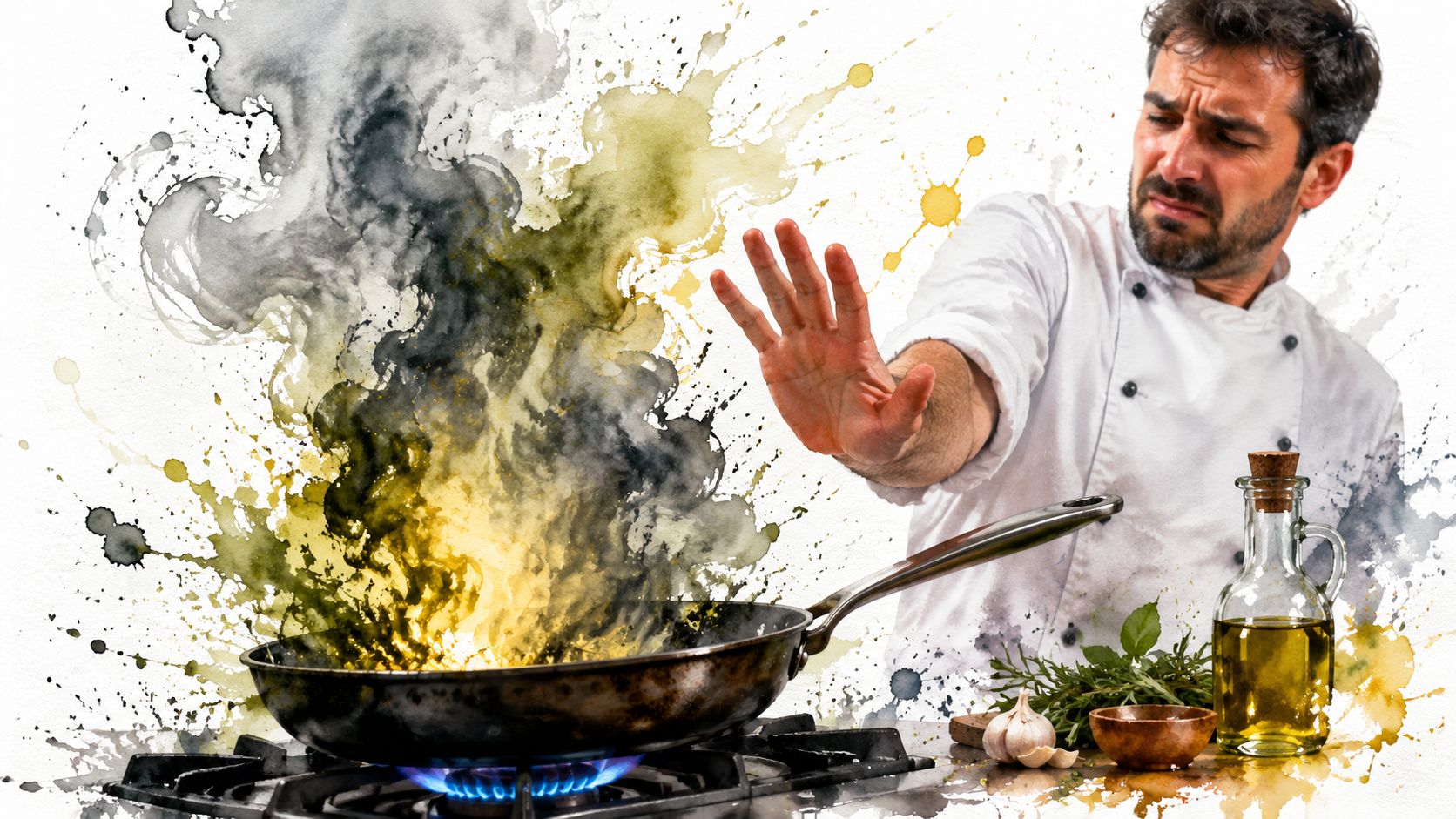
If your burner runs too hard, the oil can cross from shimmering into smoking before the chicken cooks through. That's not an olive-oil problem as much as a heat-management problem. The oil is giving you feedback. Turn the heat down, let the pan settle, and keep going.
Why olive oil holds up better than people expect
The smoke point obsession also misses another issue: stability. An oil that resists breakdown during cooking isn't judged only by the highest possible smoke point. Olive oil performs well because of its overall makeup, not just a headline number.
Imagine fabric. A thin shirt might survive a brief hot day, but a sturdier cloth handles stress better over time. Olive oil's composition helps it behave more steadily than many people assume in everyday chicken cooking.
Here are the cues that matter more in a home kitchen than panic over a chart:
- Watch the surface: A gentle shimmer means the pan is ready. Harsh smoke means you've gone too far.
- Listen to the chicken: A lively sizzle is good. Violent sputtering usually means excess moisture or too much heat.
- Control in batches: Crowding can pull temperatures down fast, then tempt you to overcorrect with more heat.
- Use your nose: Olive oil should smell appetizing in the pan. Acrid odor means back off immediately.
If the oil is smoking before the chicken is browning properly, the pan isn't "powerful." It's simply too hot.
This is why olive oil for cooking chicken becomes much less mysterious once you stop hunting for a magic oil and start managing a temperature window.
You already know you can change.
You just need to take the first step. Habit Huddle helps you build habits around your goals, alongside friends who keep you accountable.
Matching the Oil to the Method A Practical Chicken Guide
The right olive oil depends on what the chicken is doing in the pan, oven, or bowl. A marinade wants aroma. A breaded cutlet wants reliable frying behavior. A roast wants enough fat to help the skin color evenly without using your most expensive bottle.
A simple method map
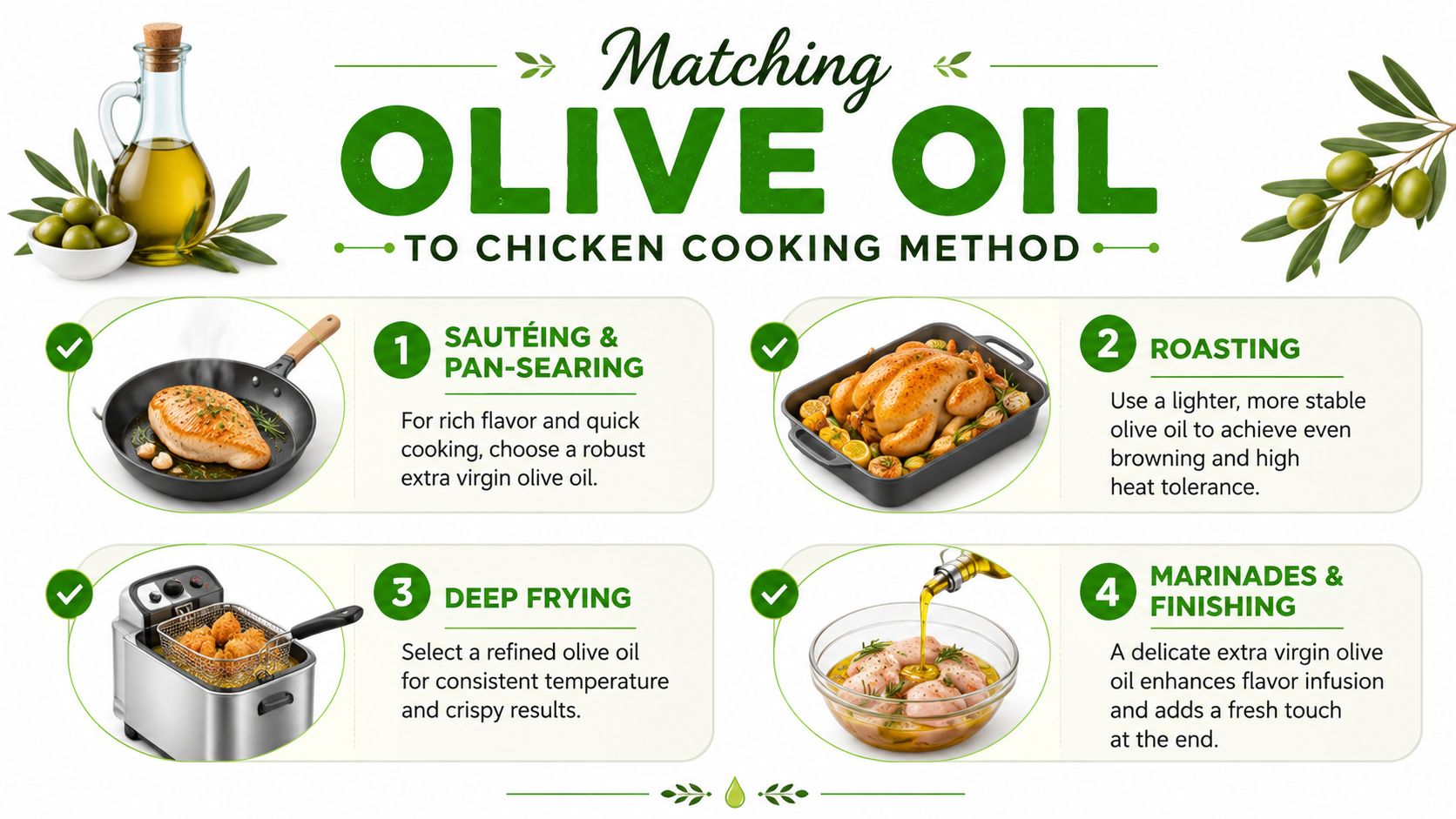
For sautéing and pan-searing, use a good extra virgin olive oil when the recipe is quick and direct. Boneless chicken breasts with garlic, rosemary, and lemon benefit from that flavor because nothing is hiding it. The oil becomes part of the taste, not just a cooking medium.
For roasting, a milder regular or light olive oil is often the practical choice. You still get browning support and the familiar olive-oil character, but you aren't spending premium money on aromas that a long oven cook may mute.
For shallow frying, refined olive oil is often the easier pick. Breaded chicken cutlets, schnitzel-style pieces, or chicken Parmesan cutlets need stable pan behavior and enough oil volume to fry cleanly. A more neutral bottle makes sense here.
For marinades and finishing, extra virgin olive oil is hard to beat. It carries herbs, garlic, citrus zest, and spices onto the chicken, and a spoonful after cooking can wake the whole dish back up.
If you enjoy matching food choices to broader eating patterns, this quick guide to whether rice fits a paleo approach is another example of how context changes the answer. Ingredients rarely live in one absolute category.
The flavor and nutrition tradeoff
Heat changes olive oil. That doesn't make cooking with it pointless. It just means there's a tradeoff.
From a nutritional standpoint, while extra-virgin olive oil's antioxidant compounds remain partly intact during heating, they are temperature-dependent. Research shows that polyphenol levels can drop by about 40% at 258°F and 75% at 338°F, meaning there's a practical trade-off: hotter searing creates a better crust but progressively reduces some of the oil's unique bioactive benefits according to this review of olive oil stability and cooking studies.
That's useful because it explains why different methods deserve different oils. If you're making a fast skillet chicken and want flavor plus some of those compounds, extra virgin olive oil makes sense. If you're shallow frying breaded cutlets until richly golden, you're leaning harder into texture and less into preserving every delicate compound.
Practical rule: Use extra virgin olive oil where you can taste it. Use milder olive oil where heat and volume matter more than nuance.
A cook's goal isn't to preserve an ingredient in a laboratory state. It's to choose the best compromise for the dish in front of you. With chicken, that compromise is usually easy.
Pro Techniques for Flavorful Juicy Chicken
Technique decides whether olive oil feels elegant or frustrating. The same bottle can give you tender, golden chicken or pale, greasy disappointment depending on what you do in the first few minutes.
For a fast skillet dinner
Take a simple lemon-herb chicken breast. Dry the chicken well before it touches the pan. Moisture is the enemy of browning because water has to cook off before the surface can color properly.
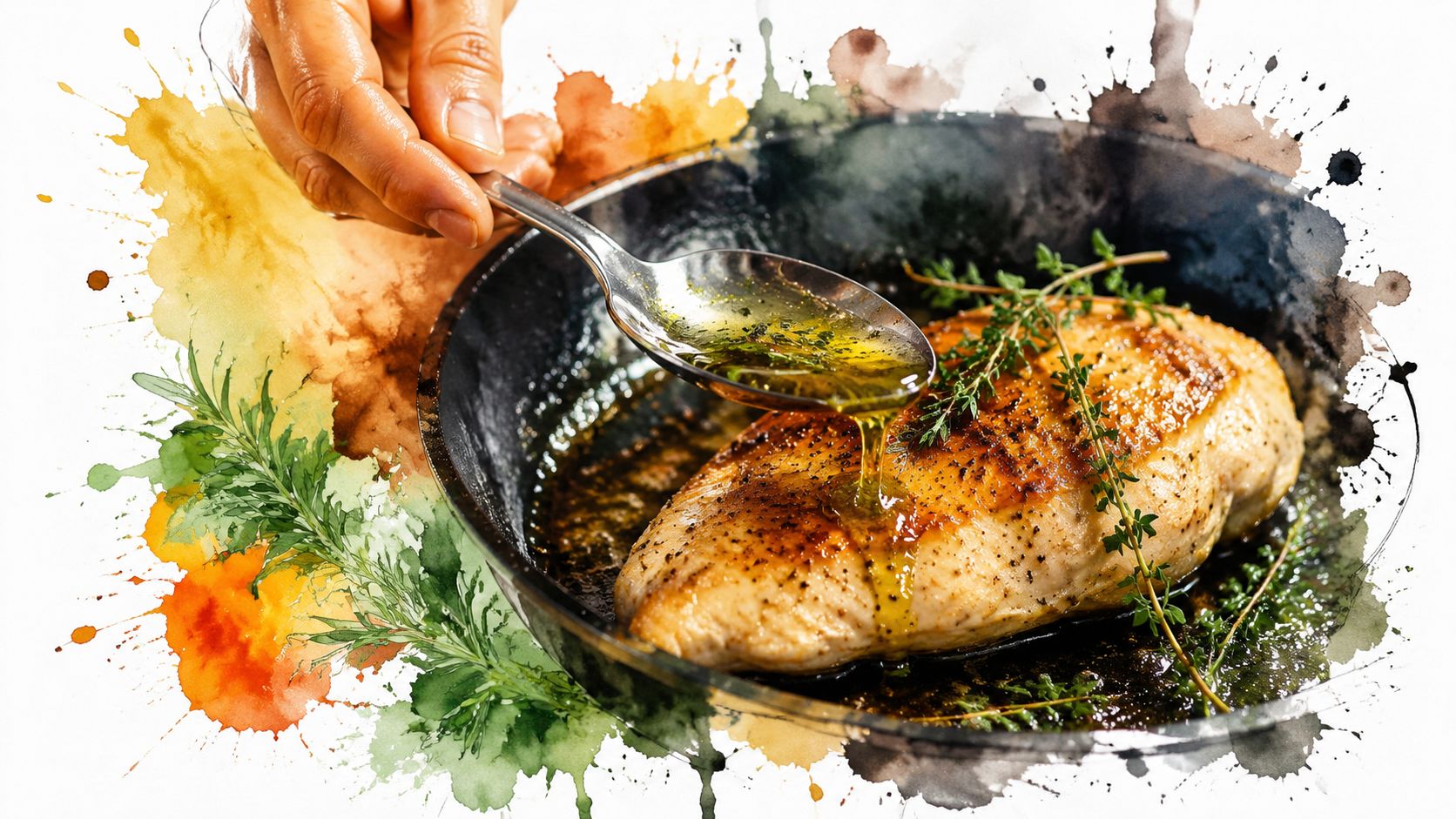
Choose extra virgin olive oil if the dish is minimal and the oil's flavor will show. Heat the pan until the oil shimmers gently, then lay in the chicken and leave it alone long enough to form a crust. If you keep nudging it, the meat won't release cleanly and you'll lose that golden surface.
Once the chicken comes out, don't wash the pan. Add a little shallot or garlic, then something bright like lemon juice or a splash of stock if you use it in your cooking. The browned bits in the pan dissolve into the liquid and become the base of a fast sauce.
A steady morning routine works the same way in cooking and life. Small repeatable actions matter more than dramatic overhauls, which is why some readers also enjoy this piece on building consistency with an early breakfast habit.
For crisp shallow-fried chicken
Shallow frying is where many cooks get nervous about olive oil. The process is less about bravery than control.
To fry chicken successfully in olive oil, the pan must be controlled carefully. If the oil runs too hot, it can smoke before the chicken cooks through. Experts suggest using about half an inch of oil and cooking in uncrowded batches to maintain a steady temperature, which produces a crisp crust with less oil absorption than deep frying as explained in this guide to frying chicken in olive oil.
That single detail solves several common problems at once. Half an inch gives enough contact for good crust formation. Uncrowded batches help the oil stay steady. A steadier pan gives you less greasiness and more crunch.
Here's a useful visual walkthrough before your next chicken dinner:
A few chef habits make a big difference:
- Dry first: Pat the chicken dry, even if it's coming from a marinade or package.
- Season in layers: Salt the chicken before cooking, then finish with acid or herbs after.
- Leave space: Give each piece room so steam doesn't soften the crust.
- Rest briefly: Let fried or seared chicken sit for a moment before slicing so juices stay in the meat.
Chicken doesn't turn greasy because olive oil is "heavy." It turns greasy when the pan temperature swings and the crust never sets properly.
Buying and Storing Olive Oil to Protect Your Investment
A fine cooking technique can't rescue stale oil. If the bottle is tired, the chicken will taste flat no matter how carefully you cook it. Protecting quality starts at the store and continues in your pantry.
What to look for when buying
Look for bottles in dark glass or tins when possible. Light is rough on oil, and clear packaging gives it less protection. Check the label for signs that the producer cares about freshness and handling.
If you see a harvest date, that's useful. Fresher oil usually tastes livelier. If the bottle gives no clue at all about timing or origin, that doesn't automatically make it bad, but it gives you less information.
Smell matters too. A good olive oil should smell fresh, pleasant, and food-like. If it smells stale, waxy, or oddly flat after opening, don't save it for your best chicken dish.
Storage habits that keep oil tasting fresh
Store olive oil in a cool, dark place away from the stove and away from a sunny window. Heat, light, and air all push the oil toward decline. The bottle on the counter right beside the burner may look convenient, but it's a rough home for something delicate.
A few habits help more than any gadget:
- Buy for use, not fantasy: Purchase an amount you'll use while it's still tasting good.
- Cap it promptly: Every extra moment open to air costs flavor.
- Use the right bottle for the task: Save your expressive extra virgin olive oil for dishes where you'll notice it.
- Cook with it regularly: Don't hoard the good bottle for a someday dinner.
That last point matters most. Many people delay using quality ingredients because they want the "perfect" occasion. Daily cooking is the occasion. A weeknight chicken thigh deserves good oil just as much as a dinner party does.
Good kitchen habits aren't glamorous. They're repeatable. Buy thoughtfully, store carefully, and use what you have while it's fresh. That's how olive oil for cooking chicken becomes part of a sustainable routine rather than a once-in-a-while splurge.
If you like building simple routines that stick, Habit Huddle is worth a look. It helps you stay consistent with daily habits through small groups, flexible check-ins, and visible accountability, so the things you want to do regularly, in the kitchen or beyond it, are easier to keep doing.
Ready to Build Habits With Friends?
Stop failing alone. Join thousands using the #1 habit tracker with friends for real accountability and lasting results.
Prefer mobile? App Store · Google Play
Related Guides
More Habit Huddle articles on building habits with accountability.

How Long Does It Take for Exercise to Become a Habit? What Five Studies Found
Exercise takes about six weeks to feel automatic and months to become reliable. What five studies of new gym members actually found, why exercise is slower t...

The Fresh Start Effect: Why January 1 Feels Different, and How to Make It Last
The fresh start effect explained: the 2014 Wharton research behind January motivation, the numbers for Mondays and birthdays, a 2026-2027 fresh start calenda...

New Year Stream Ideas: 25 Streams to Plan for New Year's Eve and January (2027)
25 New Year stream ideas for Twitch, YouTube and Kick: New Year's Eve countdown formats, first-stream-of-the-year resets, January series that hold viewers pa...